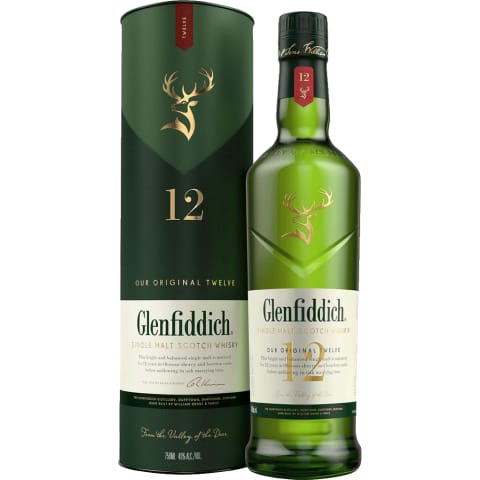
tldr: yes, add water to whisky, but only a few drops of still, soft, room-temperature water. never mineral water and never sparkling. the minerals and carbonation fight the whisky and flatten the taste. neat first, then a tiny splash.
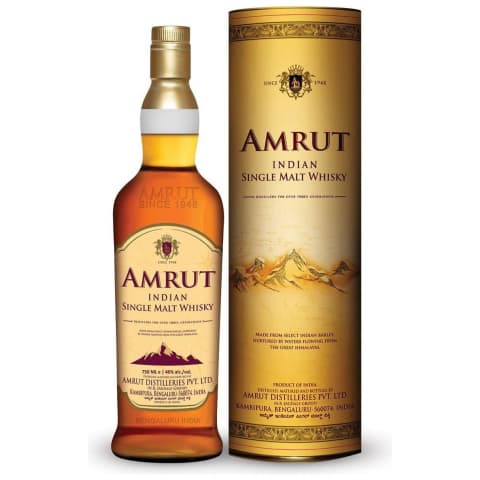
most people in india reach for a bottle of packaged mineral water the second they pour a peg. it feels like the premium move. it is actually the fastest way to make a good single malt taste worse. adding water to whisky is a real technique that works, but the water you use decides whether you open the whisky up or kill it.
the short answer
a few drops of the right water make whisky better. mineral water makes it worse. that’s the whole guide in two lines, but the why matters because once you understand it you’ll never pour bisleri into a malt again.
why a splash of water actually helps
whisky bottled at higher strength, say 46 percent abv and above, holds a lot of its aroma locked behind the alcohol. a couple of drops of water break the surface tension and release esters and oils you simply can’t smell at full proof. that’s why reviewers and distillery folk taste cask-strength samples with a small dropper of water beside the glass.
this works best on aged whiskies and single malts. on a light, low-proof blend it does almost nothing useful, and can leave the dram watery. so the rule is simple: the stronger and more complex the whisky, the more it benefits from a little water.
if you’re new to all this, start with the basics in our how to drink whisky guide, then come back here for the water detail.
why mineral water is the wrong choice
here’s the part nobody tells you. when a distillery sources water for cutting their whisky down to bottling strength, they demineralise it first. they strip out the calcium, magnesium and dissolved salts so the water is as neutral as possible. flip any bottle, scotch, irish or indian, and the back label often spells out “demineralised water” in the ingredients box. they go to that trouble on purpose.
mineral water does the exact opposite. it’s sold on the strength of its mineral content. all those dissolved salts react with the flavour compounds in the whisky, mute the malt, and leave a slightly flat, metallic edge on the finish. you’ll feel like something is off without being able to name it. that off feeling is the minerals.
so by topping your peg with mineral water you’re adding back exactly what the distillery spent money removing.
what water to actually use
| water type | use it? | why |
|---|---|---|
| still soft water (low TDS) | yes | neutral, lets the whisky speak |
| RO / distilled water | yes | basically zero minerals, safe bet at home |
| hard tap water | no | dissolved salts dull the flavour |
| bottled mineral water | no | high minerals fight the whisky |
| sparkling / soda water | only for highballs | carbonation and minerals flatten tasting notes |
at home, plain RO water from your purifier or a bottle of distilled water is the cleanest, cheapest option. keep it at room temperature. cold water shocks the spirit and shuts the aroma down, which is a different thing from cooling a drink with ice.
add it slowly. two or three drops in a 30ml pour, swirl, smell, taste. you can always add more. you can never take it back out.
when to skip the water entirely
drink it neat first, every time, so you judge the whisky honestly. some whiskies, especially well-balanced ones already bottled around 40 to 43 percent, are at their best with nothing added. lighter blends fall apart fast with water. if you mainly want it cold and easy, one ice cube does more than a splash of water without diluting as aggressively. our breakdown of neat vs ice vs water walks through when each one makes sense.
and if you want to get serious about catching those released aromas, the glass matters as much as the water. a tulip-shaped glass concentrates everything toward your nose, which is the whole point of opening the whisky up in the first place. see the glencairn glass guide and our notes on how to taste whisky properly.
bottom line
water is a tool, not a habit. use a few drops of soft, still, room-temperature water on a strong or aged whisky and you’ll smell and taste more. use mineral or sparkling water and you’ll quietly ruin a bottle you paid good money for. the distilleries already told you the answer on the back label.
drink responsibly. must be of legal drinking age in your state.
💰 prices change every month. don't overpay.
we track prices across 12 states. get the updated price list when rates change in your city.
want the full price list?
we send updated prices for every brand across 12 indian states. one email, once a month. that's it.
frequently asked questions
should you add water to whisky?
a few drops of still, soft water can open up an aged or single malt whisky and release more aroma. but only a few drops, and never for a delicate light whisky you already enjoy neat.
why should you not use mineral water in whisky?
mineral water carries calcium, magnesium and other dissolved salts that clash with the whisky's own flavour compounds. distilleries deliberately use demineralised water for this exact reason, so adding minerals back in works against the spirit.
what water is best to add to whisky?
still, soft, low-mineral water at room temperature. plain RO or distilled water works well at home. just avoid hard tap water, sparkling water and mineral water.
can i use sparkling or soda water in whisky?
for a highball or whisky-soda, sure. but if you actually want to taste the whisky, no. carbonation lifts aromatics off the surface too fast and the added minerals dull the flavour.
how much water should i add to whisky?
start with two or three drops in about 30ml of whisky, swirl, then taste. add more only if it still feels tight. you can always add water, you can never take it out.
does adding water lower the quality of whisky?
no, the right water improves higher-strength whisky by dropping it to a more drinkable proof and releasing aroma. the wrong water (hard or mineral) is what lowers the experience.
should you add water to single malt whisky?
often yes, especially cask-strength bottlings sitting at 50 percent abv and above. a small splash of soft water unlocks notes that stay locked up at full strength.
is it better to drink whisky neat or with water?
neat first to judge it honestly, then a few drops of water to see what opens up. lighter blends and lower-proof whiskies are usually best neat or with one ice cube.
why does my whisky taste off after adding water?
almost always because you used hard tap water or bottled mineral water. the dissolved salts mute the malt and leave a flat, slightly metallic finish.
what temperature should the water be?
room temperature. ice-cold water shocks the spirit shut and mutes the aroma, which is why ice is for cooling and dilution, not for tasting.