tldr: amrut fusion is a whisky that rewards proper tasting. don’t rush it. pour into a tulip glass, let it breathe for 2-3 minutes, nose before sipping, and add water after your first few neat sips. the 50% ABV hides layers of fruit, smoke, and chocolate that only reveal themselves when you give the whisky time and attention. this guide walks you through exactly what to look for and how to find it. if you haven’t read the full review, start there.
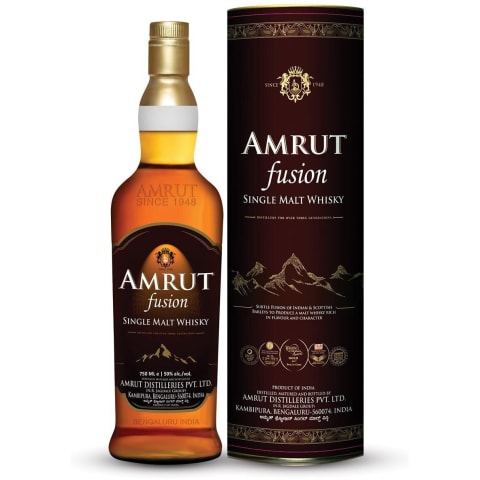
most people drink amrut fusion wrong the first time. i’m not gatekeeping. there’s no “wrong” way to enjoy whisky you bought with your own money. but amrut fusion at 50% ABV, with its blend of peated scottish barley and unpeated indian barley, has more going on than most whiskies you’ve probably tried. and if you just pour it in a tumbler, throw in some ice, and knock it back, you’re leaving half the experience on the table.
this guide exists because amrut fusion deserves better than that. it’s india’s most awarded single malt, the whisky that jim murray scored 97/100, and a bottle that competes with scotch whiskies costing twice its price. the least you can do is taste it properly once before deciding how you want to drink it going forward.
what follows is the method that gets the most out of the bottle.
what you need before you start
the glass
use a tulip-shaped glass. a glencairn is perfect. if you don’t own one, a small wine glass or even a brandy snifter works. the narrow opening concentrates volatile compounds (the aromatic molecules) so your nose catches more of what the whisky has to offer.
do not use a wide-mouthed rocks glass or tumbler for your first serious tasting. those glasses are fine for casual drinking, but they let aromas escape before you can appreciate them. you can drink from a tumbler later. for tasting, shape matters.
the water
keep a small jug or bottle of still water at room temperature. you’ll add a few drops during the tasting. tap water is fine if your local water doesn’t have a strong mineral or chlorine taste. mineral water works. don’t overthink this.
the environment
avoid tasting right after cooking, applying cologne, or smoking. strong ambient smells compete with the whisky’s aromas. a reasonably neutral room is all you need. turn off the fan directly above your glass if you can.
the time
set aside 20-30 minutes. this isn’t a shot. this is exploration.
step-by-step tasting guide
step 1: pour and wait
pour about 30ml (a standard measure) into your tulip glass. then put the glass down and wait 2-3 minutes. seriously. at 50% ABV, the initial pour is dominated by alcohol vapour. giving it time to breathe allows the harsher alcohol to dissipate and the actual flavours to emerge. patience is the first skill of whisky tasting.
step 2: observe
hold the glass up to light. amrut fusion is typically a rich gold to amber colour. the tropical maturation in bangalore gives it a deeper colour than many scotch whiskies of similar age. swirl the glass gently and watch the “legs” (the streams of liquid running down the sides). thicker, slower legs indicate higher alcohol and body. amrut fusion’s legs are thick and slow.
step 3: first nose (distant)
hold the glass about 3 inches from your nose. don’t shove your nose into the glass. at 50% ABV, a close nose will blast you with alcohol and numb your senses. from a distance, you should catch the first layer of aromas.
what to look for: fruit. most reviewers find dark fruit first: plum, cherry, maybe raspberry. there might be a hint of tropical fruit: banana, pineapple. let your brain work. don’t force associations. just breathe gently and see what comes.
step 4: second nose (closer)
bring the glass closer, about 1 inch from your nose. now the deeper aromas emerge.
what to look for: smoke. the peated scottish barley introduces campfire-style smoke. it’s not the medicinal, iodine peat of islay. it’s more like wood fire, charcoal, embers. behind the smoke, look for chocolate, coffee, and a malty sweetness. there might be vanilla from the ex-bourbon cask. some people catch a creamy, almost buttery note.
try nosing with your mouth slightly open. this technique lets aromas reach your olfactory receptors through both nose and palate simultaneously, giving a fuller picture.
step 5: first sip (neat)
take a small sip. don’t swallow immediately. let the whisky sit on your tongue for 3-5 seconds, coating your entire palate. then swallow slowly.
what to look for: the 50% ABV will hit you first. there’s warmth and a slight tingle. push past that and look for:
- sweetness: honey, dark fruit, toffee
- smoke: campfire, charred wood
- richness: chocolate, coffee, malt
- fruit: plum, cherry, tropical notes
- spice: gentle pepper, cinnamon
the first sip is often the most intense and the least nuanced. your palate needs to adjust to the ABV. the second and third sips are where you start finding the layers.
step 6: second and third sips (still neat)
take two more small sips, each time letting the whisky rest on your palate before swallowing.
what changes: the alcohol intensity diminishes as your palate adjusts. the fruit notes become more prominent. you might start noticing a creamy texture, a nuttiness, or a leathery character in the finish. the smoke integrates better. flavours that were hidden behind the ABV start appearing.
the finish: after swallowing, breathe gently through your mouth. the finish is where amrut fusion shows its class. look for lingering smoke, green apple, leather, coriander, and a long, warming decay. a good finish lasts 30-60 seconds with evolving flavours.
step 7: add water
now add 3-5 drops of room temperature water. not a splash. drops. swirl the glass gently to integrate.
what changes: this is the magic moment. water at 50% ABV creates a dramatic shift. the alcohol burns retreats. fruit notes explode: cherry, plum, tropical fruit become louder. floral notes may appear for the first time: heather, rose. the smoke becomes softer and sweeter. the mouthfeel may become creamier.
take 2-3 more sips with water. compare what you’re tasting now to your neat sips. the difference should be significant. some flavours disappear, others amplify. neither version is “correct.” both are part of the full amrut fusion experience.
step 8: let it evolve
if you have whisky left in your glass, let it sit for 10-15 minutes. come back to it. a good single malt changes as it oxidises in the glass. the final sips may taste different from the first ones.
amrut fusion flavour map
here’s a quick reference for the flavours you might encounter across the tasting:
| stage | primary notes | secondary notes | subtle notes |
|---|---|---|---|
| nose (distant) | plum, cherry | banana, pineapple | vanilla |
| nose (close) | campfire smoke | chocolate, coffee | butter, cream |
| palate (neat) | dark fruit, honey | smoke, malt | pepper, cinnamon |
| palate (water) | cherry, tropical fruit | floral, heather | green apple, nuts |
| finish | smoke, warmth | leather, green apple | coriander, spice |
you won’t find every note every time. tasting is subjective. your associations depend on your flavour memory. if you taste something not on this list, that’s perfectly valid. this map is a starting point, not a checklist.
food pairings for amrut fusion
amrut fusion’s combination of fruit, smoke, and richness makes it versatile with food. here are pairings that work, ranked by how well they complement the whisky.
excellent pairings
- dark chocolate (70%+ cocoa): the bitterness of dark chocolate amplifies the whisky’s fruit sweetness and echoes its chocolate notes. this is the single best pairing for amrut fusion.
- smoked kebabs or tikka: the smoke in the food resonates with the smoke in the whisky. lamb seekh kebab is particularly good.
- aged cheddar or gouda: the richness and slight sharpness of aged cheese stands up to the 50% ABV and complements the malt sweetness.
very good pairings
- dried fruits and nuts: almonds, cashews, dried figs, and apricots. the nutty and fruity notes mirror what’s in the glass.
- mutton rogan josh: the rich, spiced gravy pairs beautifully with the whisky’s warmth and smoke. the meat’s fattiness balances the ABV.
- dal makhani: the buttery, creamy dal echoes the whisky’s creamy texture and provides a base for the smoke to play against.
good pairings
- banana bread or fruit cake: the baked fruit and spice notes connect directly with the whisky’s flavour profile.
- grilled paneer tikka: the charred edges of paneer complement the smokiness, while the neutral cheese doesn’t overpower the whisky.
- dark honey: a small spoonful of forest honey between sips resets the palate and amplifies the whisky’s own honey notes.
avoid
- heavily spiced or chilli-heavy food: overwhelming heat numbs the palate and makes it impossible to taste the whisky’s nuances.
- citrus-heavy dishes: strong citrus acidity clashes with the whisky’s fruit and smoke profile.
- strong fish flavours: the maritime character simply doesn’t match amrut fusion’s profile.
common mistakes when tasting amrut fusion
- drinking it too cold. ice or over-chilling numbs the aromas and flavours. room temperature is best for tasting.
- nosing too close on the first try. at 50% ABV, you’ll get a faceful of alcohol and nothing else. start 3 inches away.
- adding too much water at once. you can always add more. you can’t take it back. start with 3-5 drops.
- comparing it to scotch. amrut fusion is its own thing. the tropical maturation gives it a flavour profile that’s distinct from scottish single malts. appreciate it on its own terms.
- rushing. the first sip is not the best sip. the whisky evolves in the glass and on your palate. give it time.
amrut fusion vs indri: a tasting comparison
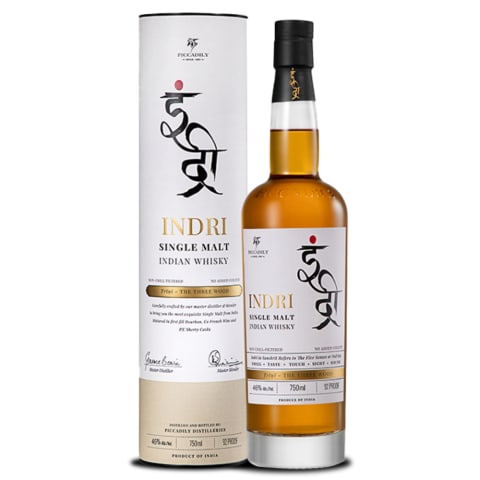
if you have both bottles, doing a side-by-side tasting is one of the best ways to understand indian single malt whisky. here’s what to expect when you compare them. for a full head-to-head, see the amrut vs indri comparison.
| aspect | amrut fusion | indri trini |
|---|---|---|
| ABV | 50% | 46% |
| peat/smoke | yes (campfire) | no |
| dominant flavours | dark fruit, smoke, chocolate | vanilla, tropical fruit, honey |
| body | full, intense | medium, smooth |
| water needed? | yes, opens up significantly | optional, already approachable |
| food pairing strength | strong flavours, smoked food | lighter fare, desserts |
| beginner-friendly | moderate (high ABV) | yes |
after the tasting: what’s next?
if you loved amrut fusion, explore these directions:
- more amrut: try amrut peated (fully peated, intense), amrut intermediate sherry (sherried, fruity), or amrut kadhambam (multi-cask, complex). each variant takes the fusion concept in a different direction.
- more indian single malts: indri trini for something smoother, paul john edited for another peated indian malt, rampur select for a different take.
- peated scotch: if the smoke is what hooked you, explore talisker 10, highland park 12, or if you’re feeling brave, laphroaig 10.
if you haven’t read the full amrut fusion review, that covers pricing, variants, and the complete story of how this whisky changed indian whisky forever.
amrut fusion tasting guide: frequently asked questions
drink responsibly. must be of legal drinking age in your state.
💰 prices change every month. don't overpay.
we track prices across 12 states. get the updated price list when rates change in your city.
want the full price list?
we send updated prices for every brand across 12 indian states. one email, once a month. that's it.
frequently asked questions
what flavours should i look for in amrut fusion?
the key notes are dark fruit (plum, cherry), tropical fruit (banana, pineapple), campfire smoke, dark chocolate, coffee, honey, and vanilla. the peated scottish barley gives campfire smokiness while the unpeated indian barley contributes fruit and sweetness. with water, floral and green apple notes emerge.
should i add water to amrut fusion?
yes, a few drops of water are recommended. amrut fusion is 50% ABV, which can mask some flavours. water opens up fruit and floral dimensions that the higher ABV hides. start neat, take a few sips, then add 3-5 drops of water and notice the difference. don't over-dilute.
what food pairs well with amrut fusion?
amrut fusion pairs well with dark chocolate (70%+ cocoa), smoked meats or kebabs, aged cheese like gouda or cheddar, dried fruits and nuts, and rich indian dishes like mutton rogan josh or dal makhani. the smoke and fruit in the whisky complement bold, rich flavours.
what glass should i use for amrut fusion?
a tulip-shaped glass (glencairn) is ideal for tasting amrut fusion. the narrow opening concentrates the aromas. if you don't have a glencairn, a small wine glass works. avoid wide-mouthed tumblers for serious tasting since the aromas dissipate too quickly.
what temperature should amrut fusion be served at?
room temperature (20-25 degrees celsius) is ideal for tasting amrut fusion. in hot indian climates, a slightly cooled room or a brief stint in the fridge (10-15 minutes, no more) can help. avoid freezing or over-chilling since cold numbs flavour perception.
why does amrut fusion taste different from scotch?
bangalore's tropical climate (3000 feet elevation, warm year-round) accelerates maturation. the whisky interacts with oak faster, picking up more wood character in less time. the indian barley also contributes unique fruit and sweetness notes that scottish barley doesn't. and the 50% ABV adds intensity most scotch blends don't match.
how long should i spend tasting amrut fusion?
take at least 20-30 minutes with your first glass. let it sit for 2-3 minutes after pouring. nose it several times before sipping. take small sips and let the whisky coat your palate. add water after the first few sips. the flavour profile evolves significantly as the whisky opens up and as your palate adjusts.
is amrut fusion good for beginners?
amrut fusion at 50% ABV is not the easiest first whisky, but it's excellent for someone who's had a few whiskies and wants to explore single malts. the smoke is approachable and the fruit sweetness balances it. adding water makes it much more beginner-friendly. see /liquor/amrut-fusion-review for the full review.
can i use amrut fusion in cocktails?
you can, but most enthusiasts would say it's a waste. amrut fusion's complexity is best appreciated neat or with water. at rs 3500-5000, there are cheaper options for cocktail making. if you insist, it makes an outstanding old fashioned where the smoke and fruit shine through.
how does amrut fusion compare to indri?
amrut fusion is bolder (50% ABV vs 46%), smokier (peated barley), and more complex. indri trini is smoother, sweeter, and more immediately approachable. fusion rewards patient tasting. indri rewards easy drinking. both are excellent indian single malts. full comparison at /liquor/amrut-vs-indri.