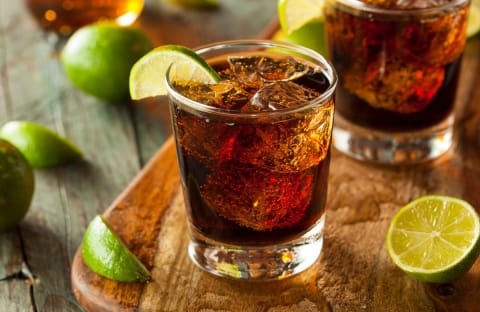
tldr: the perfect gin and tonic is about matching your gin to the right tonic and garnish. jaisalmer + fever-tree + orange peel is the premium pick: complex, aromatic, layered. greater than + schweppes + lime is the everyday winner: bold, refreshing, affordable. bombay sapphire + any quality tonic + lime wedge is the reliable classic. ratio matters (1:2 gin to tonic), ice matters (use large cubes), and a bad tonic ruins a good gin, so don’t cheap out on it.
the gin and tonic is the simplest great cocktail in the world. two ingredients. maybe three if you count the garnish. but that simplicity is exactly why getting it right matters. there’s nowhere to hide. a bad gin, the wrong tonic, flat ice, or a lazy garnish, and the drink falls apart.
india’s gin scene has exploded in the last few years. we went from bombay sapphire being the only gin anyone knew to having a dozen indian craft gins fighting for shelf space. with more gins comes the question: which tonic goes with which gin?
this guide answers that. if you want a broader overview of what’s available, check the best gin brands in india guide. if you want more cocktail ideas beyond G&Ts, see the best cocktails to make at home guide. this one is specifically about making the perfect gin and tonic.
the pairing table: gin + tonic + garnish
| gin | tonic | garnish | ratio | flavor profile |
|---|---|---|---|---|
| jaisalmer | fever-tree indian tonic | orange peel + cardamom pod | 1:2.5 | aromatic, spiced, complex |
| greater than | schweppes tonic | lime wedge | 1:2 | bold, citrusy, refreshing |
| bombay sapphire | fever-tree / schweppes | lime wheel + black pepper | 1:2 | classic, balanced, clean |
| hapusa | svami tonic | grapefruit peel + juniper berries | 1:2 | earthy, himalayan, unique |
| stranger & sons | fever-tree mediterranean | gondhoraj lime + mango | 1:2.5 | tropical, citrusy, indian |
| tanqueray | schweppes tonic | cucumber + rosemary sprig | 1:2 | juniper-forward, crisp |
pairing 1: jaisalmer + fever-tree indian tonic
the premium indian G&T.
jaisalmer is one of india’s finest gins. distilled in goa with botanicals that read like a spice market tour (vetiver, coriander, whole green cardamom, lemongrass, cubeb pepper, darjeeling green tea), it needs a tonic that can keep up.
fever-tree indian tonic is the match. it has clean quinine bitterness and a subtle citrus note that doesn’t compete with jaisalmer’s botanicals. cheaper tonics with heavy sweetness will smother the vetiver and lemongrass, which are the whole point of drinking jaisalmer.
how to make it
- fill a copa glass or large tumbler with large ice cubes (4-5 cubes, not crushed)
- pour 60ml jaisalmer gin over the ice
- add 150ml fever-tree indian tonic, pouring slowly down the side of the glass
- stir gently once. just once. over-stirring kills carbonation
- garnish: a wide strip of orange peel (twist it over the drink to release oils) and one cracked green cardamom pod dropped in
why this works
jaisalmer’s spice-forward botanicals need room to breathe. the 1:2.5 ratio gives the tonic enough presence to provide structure and fizz without burying the gin. the orange peel bridges the citrus in both the gin and the tonic. the cardamom pod reinforces the gin’s indian character and releases aroma with every sip.
cost per drink at home: approximately rs 250-300 (gin rs 150 + fever-tree rs 100 + garnish)
pairing 2: greater than + schweppes tonic
the everyday workhorse G&T.
greater than is arguably india’s best-value craft gin. it’s bold, juniper-forward, with strong citrus (lime and orange peel) and a pepperiness that cuts through tonic like a knife. it’s designed to work in a G&T, and it does so excellently.
schweppes tonic water is the pairing here. it’s sweeter than fever-tree, which is normally a disadvantage, but greater than’s boldness actually benefits from that touch of sweetness. the result is a crowd-pleasing, refreshing G&T that costs a fraction of the premium combination above.
how to make it
- fill a highball glass with ice cubes to the top
- pour 60ml greater than gin
- add 120ml schweppes tonic water, pouring gently
- squeeze one lime wedge into the drink, then drop it in
- optional: a thin slice of cucumber on the rim
why this works
greater than is bold enough to stand up to schweppes’ sweetness. the lime wedge is essential since it adds the acid that balances the tonic’s sugar and amplifies the gin’s citrus notes. this is the G&T you make on a tuesday night when you want something good without fussing over premium tonic and exotic garnishes.
cost per drink at home: approximately rs 80-120 (gin rs 50-60 + schweppes rs 20-30 + lime rs 5)
pairing 3: bombay sapphire + lime
the classic.
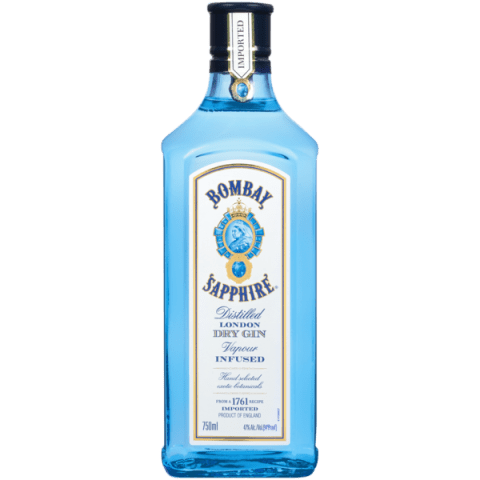
bombay sapphire is the gin that introduced most indian drinkers to the G&T. ten botanicals, vapor-infused (rather than steeped), creating a lighter, more elegant flavor profile. it’s been the reliable choice for decades, and for good reason.
bombay sapphire works with essentially any quality tonic. fever-tree for a cleaner, more refined drink. schweppes for a sweeter, more casual one. it’s the gin equivalent of a white t-shirt: it goes with everything.
how to make it
- fill a tall glass with ice (large cubes preferred)
- pour 60ml bombay sapphire
- add 120ml tonic water of your choice
- garnish with a lime wheel (not a wedge; the wheel looks better and releases less acid)
- optional upgrade: crack 3-4 black peppercorns between your fingers and drop them in. the pepper lifts the juniper beautifully
why this works
bombay sapphire’s balanced, not-too-aggressive botanical profile means it plays well with any tonic. the lime is the classic garnish because sapphire’s own citrus notes (lemon peel, almonds) harmonize with it. the black pepper trick is borrowed from bartenders who use it to add a subtle spicy kick that makes the drink more interesting without changing its fundamental character.
cost per drink at home: approximately rs 120-180 (gin rs 80-100 + tonic rs 30-80 + garnish)
the tonic water guide for india
tonic water matters more than most people think. a great gin with a bad tonic is worse than a decent gin with a great tonic. here’s what’s available in india.
| tonic water | price (200ml) | sweetness | bitterness | best with | notes |
|---|---|---|---|---|---|
| fever-tree indian tonic | rs 150-200 | low | medium-high | jaisalmer, stranger & sons | gold standard. clean quinine. worth the price |
| fever-tree mediterranean | rs 150-200 | low | medium | stranger & sons, hapusa | herbal notes. great with botanical-heavy gins |
| fever-tree elderflower | rs 150-200 | medium | low | bombay sapphire, hendrick’s | floral and sweet. niche but beautiful |
| schweppes tonic | rs 30-40 | medium-high | medium | greater than, tanqueray | widely available. sweeter than fever-tree |
| svami tonic | rs 80-100 | medium | medium-high | hapusa, jaisalmer | indian craft tonic. excellent value |
| sepoy & co | rs 100-120 | low-medium | medium | any premium gin | another good indian craft option |
the golden rule
spend at least as much on your tonic as on your gin pour. if you’re pouring rs 100 worth of jaisalmer into a glass, don’t pair it with rs 20 worth of generic tonic. the tonic is half the drink.
the garnish guide
garnishes aren’t decoration. they’re functional. a citrus peel releases essential oils that change how the drink smells and tastes. an herb adds aroma that your nose picks up with every sip. choosing the right garnish for your gin is the difference between a good G&T and a great one.
citrus-forward gins (bombay sapphire, greater than, tanqueray)
- lime wedge or wheel: the classic. amplifies existing citrus
- lemon twist: lighter than lime, works with floral gins
- grapefruit peel: adds bitterness, great with juniper-heavy gins
spice-forward gins (jaisalmer, hapusa)
- orange peel: the sweetness bridges to the spice
- star anise: one whole star, dropped in. dramatic and aromatic
- cracked cardamom pod: for jaisalmer specifically, this is perfect
- cinnamon stick: works with warm-spiced gins
herbal/floral gins (hendrick’s, stranger & sons)
- cucumber ribbon: the hendrick’s classic. cooling and clean
- rosemary sprig: aromatic, works with almost any gin
- fresh basil leaf: surprisingly good. slap it between your palms before adding to release oils
- edible flower: if you’re feeling fancy
common G&T mistakes (and how to fix them)
mistake 1: using old tonic
tonic water goes flat fast once opened. always use a fresh bottle for each drink. buy 200ml bottles instead of 1-liter bottles. the money you save on bulk tonic is wasted when half the bottle is flat by your second drink.
mistake 2: too much ice melt
small ice cubes melt fast, diluting your drink into a watery mess within minutes. use the largest ice cubes your freezer can make. better yet, buy silicone ice molds that make large spheres or cubes. they melt slower and look better.
mistake 3: wrong ratio
too much gin and the drink is boozy and unbalanced. too much tonic and you’re basically drinking flavored soda. 1:2 is the standard. measure it the first few times until you can eyeball it accurately.
mistake 4: aggressive stirring
one gentle stir after adding tonic. that’s it. stirring aggressively or using a cocktail stirrer for 10 seconds destroys the carbonation. you want bubbles. the fizz carries the botanicals to your nose.
mistake 5: squeezing citrus too hard
when you squeeze a lime wedge into a G&T, you’re adding acid. a little is good. too much makes the drink sour and throws off the balance. one gentle squeeze, then drop the wedge in. let it infuse gradually.
building a home G&T bar in india
here’s what you need to make excellent gin and tonics at home without spending a fortune.
the essentials
- one versatile gin: greater than (rs 800-1000) for everyday, bombay sapphire (rs 1500-1800) for something classic
- tonic water: schweppes for casual drinks, a few fever-tree bottles for when you want to impress
- fresh limes: always have them
- ice cube trays: large cube molds, not the standard small ones
the upgrades
- second gin: jaisalmer (rs 2500-3000) for when you want something premium and distinctly indian
- svami tonic: bridge between schweppes and fever-tree in both price and quality
- garnish kit: orange, cucumber, rosemary, black peppercorns, cardamom pods. all available at any indian grocery store for rs 50 total
the math
a bottle of greater than (750ml) gives you 12 G&Ts at 60ml per serve. at rs 900 per bottle, that’s rs 75 per drink for the gin. add rs 30 for schweppes tonic and rs 5 for lime. that’s rs 110 per excellent gin and tonic, made at home. the same drink at a decent bar in mumbai or delhi would cost rs 400-600. you’re saving 70-80% by making it at home.
for more ideas on what to make with your home bar setup, check the best cocktails to make at home in india guide.
the seasonal factor
summer (march-june)
go citrus-heavy and refreshing. greater than + schweppes + lots of lime + extra ice. bombay sapphire + fever-tree + cucumber. you want cold, crisp, and light.
monsoon (july-september)
warm spice works beautifully. jaisalmer + fever-tree + orange peel + cardamom. the spice aromatics complement the petrichor mood.
winter (november-february)
try a stronger ratio (1:1.5) and add warming garnishes. rosemary, star anise, cinnamon. the drink should feel like a hug, not a splash of cold water.
frequently asked questions
drink responsibly. must be of legal drinking age in your state.
💰 prices change every month. don't overpay.
we track prices across 12 states. get the updated price list when rates change in your city.
want the full price list?
we send updated prices for every brand across 12 indian states. one email, once a month. that's it.
frequently asked questions
what is the best gin and tonic ratio?
the standard ratio is 1:2 (one part gin to two parts tonic). for a 60ml pour of gin, use 120ml of tonic. if the gin is botanical-heavy (like jaisalmer), go 1:2.5 to let the botanicals breathe. if you want a stronger drink, 1:1.5 works. never go above 1:3 or the tonic drowns the gin entirely.
which tonic water is best for gin in india?
fever-tree indian tonic is the gold standard. it has clean quinine bitterness without being too sweet. schweppes is widely available and works well with bold gins like greater than. svami is an excellent indian craft tonic. for premium gins, avoid cheap tonic water since the sweetness will ruin the botanicals.
is jaisalmer gin good for gin and tonic?
jaisalmer is excellent for G&Ts. its complex botanical profile (vetiver, coriander, lemongrass, whole green cardamom) creates a layered, aromatic G&T. pair it with fever-tree tonic and an orange peel garnish. it's one of the best indian gins specifically designed to work beautifully in a gin and tonic.
what garnish goes with gin and tonic?
the garnish should complement the gin's dominant botanical. citrus-forward gins (bombay sapphire, greater than) pair with lime or lemon. spice-forward gins (jaisalmer, hapusa) work with orange peel or star anise. juniper-heavy gins (tanqueray, beefeater) go with cucumber or rosemary. a wrong garnish won't ruin the drink, but the right one elevates it.
can i use regular soda instead of tonic water?
you can, but it's a different drink. a gin and soda (or gin fizz) lacks the quinine bitterness that defines a gin and tonic. soda water is neutral, so you taste more of the gin's raw botanicals. it's a valid serve if you find tonic too bitter or want fewer calories (tonic has sugar, soda doesn't), but it's not a G&T.
why does my gin and tonic taste flat?
three likely reasons: your tonic lost carbonation (use freshly opened, small bottles), your ratio is off (too much gin drowns the fizz), or your ice melted too fast (use large cubes, not crushed ice). always pour tonic gently down the side of the glass, not from height, to preserve carbonation.
what is the best affordable gin for G&T in india?
greater than london dry gin at rs 800-1000 is the best affordable gin for G&Ts in india. it has bold juniper and citrus that cut through tonic water, and it's specifically designed by indian craft distillers who understand the local palate. paired with schweppes tonic and a lime wedge, it makes a rs 150-200 G&T that rivals bar serves.
should gin and tonic be served in a specific glass?
traditionally, a highball glass. but the spanish-style copa glass (large balloon wine glass) has become popular because it traps aromas and makes the garnish more prominent. at home, any large glass with enough room for ice, gin, tonic, and garnish works. the glass matters less than the ice quality and tonic freshness.
how many calories are in a gin and tonic?
a standard gin and tonic (60ml gin + 120ml tonic) has approximately 140-170 calories. the gin contributes about 130 calories and the tonic adds 40-50 calories (regular tonic contains sugar). using diet tonic or soda water instead drops the drink to about 130 calories.
is fever-tree tonic water available in india?
yes. fever-tree is available in most metro cities through premium liquor stores, supermarkets like nature's basket, and online platforms. a 200ml bottle costs rs 150-200. it's expensive compared to schweppes (rs 30-40), but the quality difference is significant. svami tonic (rs 80-100) is a good middle-ground indian alternative.