tldr: the rs 2000-3000 scotch range is the sweet spot in india. you’re past the bottom-shelf blends but haven’t hit the premium tax yet. best overall: dewar’s 12 (rs 2500-2800) for smoothness and complexity. best value: teachers highland cream (rs 1000-1200) which punches absurdly above its price. best 12-year: 100 pipers 12 (rs 2500-2800) for malt-forward sweetness. jw red is fine but overpriced for what it delivers. famous grouse is the underrated pick if you can find it. if you’re coming from the under 2000 guide, this is a meaningful upgrade. if you want to go further, see the under 5000 guide.
there’s a weird gap in the scotch market in india. under rs 2000, you have the entry-level blends: jw red’s little brothers, budget labels, and the kind of scotch that works in a highball but doesn’t reward sipping. above rs 5000, you enter single malt territory and the world gets exciting. but between rs 2000 and rs 3000? that’s where some of the smartest buys in indian liquor stores live.
this guide covers the five best scotch whiskies available in india under rs 3000. i’ve focused on bottles that are actually findable in most states, not rare imports that only show up in south delhi liquor stores. if you’ve already read the best scotch under 2000 guide, think of this as the next step up.
the complete comparison table
| scotch | price range | age | ABV | type | best for |
|---|---|---|---|---|---|
| teachers highland cream | rs 1000-1200 | NAS | 40% | blended | best value, neat or with water |
| famous grouse | rs 1800-2200 | NAS | 40% | blended | balanced everyday sipper |
| johnnie walker red | rs 2000-2200 | NAS | 40% | blended | highballs and mixing |
| 100 pipers 12 year | rs 2500-2800 | 12 years | 40% | blended | malt-forward, neat sipping |
| dewar’s 12 | rs 2500-2800 | 12 years | 40% | blended | smoothest option, neat |
NAS = no age statement. prices vary by state and are approximate for 750ml bottles.
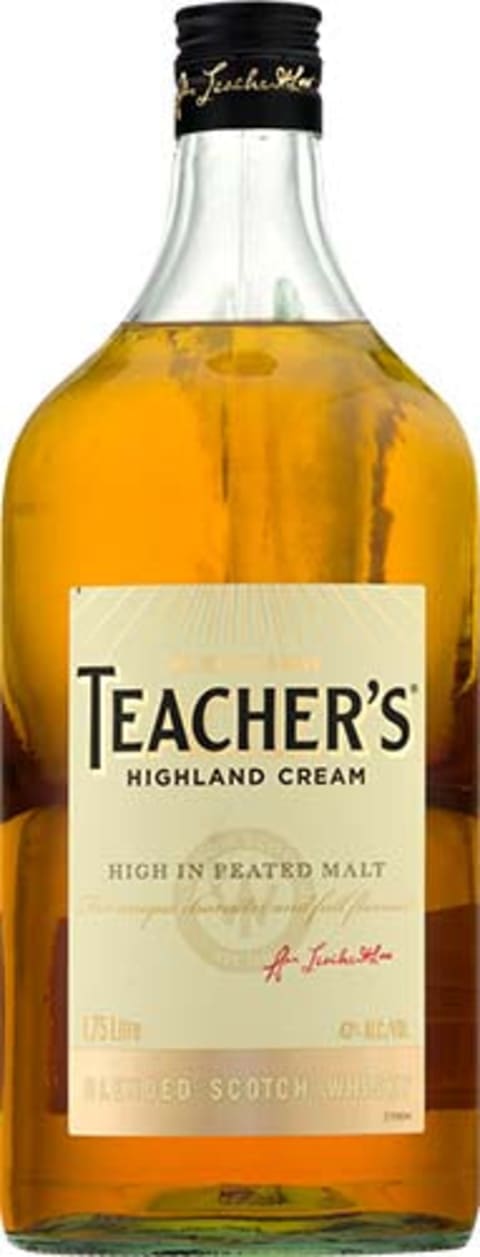
1. teachers highland cream - rs 1000-1200
the best value scotch in india. period.
teachers highland cream is technically under the rs 2000 bracket, but i’m including it here because it’s the benchmark against which everything in the rs 2000-3000 range should be measured. if a rs 2500 scotch can’t beat teachers, it has no business costing that much.
teachers has a malt content of around 45%, which is significantly higher than most blended scotch at this price. the base malt is ardmore, a highland distillery known for its lightly peated style. what this means in practice is that teachers has actual character. there’s smoke, there’s malt sweetness, there’s honey and a bit of toffee.
nose: malt, light smoke, honey, a whisper of peat.
palate: sweet malt, gentle smoke, vanilla, biscuit. medium body. surprisingly smooth for the price.
finish: medium length. the smoke lingers pleasantly. a touch of spice at the end.
the verdict: teachers at rs 1000-1200 embarrasses scotch whiskies twice its price. it’s better neat than jw red, and it costs half as much. if you’re on a budget and want genuine scotch character, stop here. you don’t need to spend more unless you want to.
2. the famous grouse - rs 1800-2200
the underrated all-rounder.
famous grouse is scotland’s bestselling scotch, but in india, it lives in the shadow of johnnie walker. that’s a shame, because it’s a better neat whisky than jw red at a similar or lower price.
the blend uses highland park and macallan as key malt components. yes, macallan, the brand that charges rs 8000+ for its entry-level single malt. that sherry-cask influence comes through in the famous grouse as a fruity richness that jw red doesn’t have.
nose: fruit, sherry sweetness, oak, a bit of orange peel.
palate: rich for a blend. dried fruit, toffee, light oak. medium body with a creamy texture.
finish: medium length. clean and warming. the fruit sticks around.
the verdict: famous grouse is the scotch for people who want something they can sip neat without spending on a 12-year-old. the sherry influence gives it a warmth and fruitiness that feels more expensive than it is. the only downside is availability. not every store stocks it. when you find it, buy two.
3. johnnie walker red label - rs 2000-2200
the world’s biggest scotch. not the world’s best value.
jw red is the most recognized scotch whisky brand on earth. it’s available in literally every liquor store in india. and it’s perfectly fine.
it’s also not the best scotch you can get for rs 2000.
jw red is designed for mixing. it’s light-bodied, slightly smoky, and has a bite that works well in a highball with soda but feels thin when sipped neat. the blend is built from around 35 different whiskies, prioritizing consistency over complexity. you always know what you’re getting with jw red. the problem is, what you’re getting isn’t as good as what teachers offers for half the price.
nose: light smoke, grain, a bit of vanilla. nothing jumps out.
palate: thin body. some smoke, some spice, a hint of sweetness. the grain whisky dominates.
finish: short to medium. a slight burn. the smoke fades quickly.
the verdict: jw red is a fine mixing scotch. as a highball with soda and lime, it works well. but for neat drinking at rs 2000+, you’re paying for the brand name and the walking man on the label. teachers at half the price and famous grouse at the same price both offer more flavor.
where jw red wins: consistency, availability, and brand cachet. if you’re buying scotch for a house party where the brand label matters, jw red is the safe choice. everyone recognizes it.
4. 100 pipers 12 year old - rs 2500-2800
the aged upgrade that’s worth every rupee.
this is where the under-rs 3000 bracket gets genuinely exciting. 100 pipers 12 is a 12-year-old blended scotch, which means every whisky in the blend has spent at least a dozen years in oak casks. that aging shows up in the glass as smoothness, depth, and complexity that no-age-statement blends can’t match.
the blend features malt from auchentoshan, the triple-distilled lowland distillery. this gives 100 pipers 12 a lighter, maltier character compared to smokier highland or islay-influenced blends.
nose: honey, malt, vanilla, orchard fruit. inviting and warm.
palate: sweet malt, caramel, baked apple, light oak. medium-full body. there’s a richness here that’s a clear step up from the NAS blends above.
finish: medium-long. honey and malt linger. smooth and warming.
the verdict: 100 pipers 12 is one of the best-value aged scotch whiskies in india. the 12 years of maturation genuinely make a difference. you’re getting complexity and smoothness that the under-rs 2000 bracket simply can’t deliver. if you’re stepping up from teachers or jw red, this is where you’ll feel the upgrade most clearly.
5. dewar’s 12 - rs 2500-2800
the smoothest scotch under 3000.
dewar’s has a trick that most blended scotch brands don’t bother with: double aging. after blending the malt and grain whiskies, dewar’s puts the blend back into oak casks for an additional maturation period. this extra step allows the different whisky components to “marry” together, smoothing out rough edges and creating a more integrated flavor.
the result is noticeable. dewar’s 12 is exceptionally smooth for a blended scotch at this price.
nose: honey, vanilla, heather, a touch of floral sweetness. elegant.
palate: smooth. honey, toffee, golden fruit, subtle oak. medium body but it feels fuller because of how integrated the flavors are.
finish: long for a blended scotch. warm honey that slowly fades. no harsh edges.
the verdict: dewar’s 12 is the scotch i’d recommend to someone who says “i want something smooth that i can drink neat.” the double aging process genuinely works, and at rs 2500-2800, it’s competitive with single malts at higher prices. if smoothness is your priority, this is the winner in this bracket.
how they rank: my recommendations
best overall: dewar’s 12
the smoothest, most refined option in this bracket. the double aging makes a noticeable difference.
best value: teachers highland cream
at half the price of everything else on this list, teachers is an absurd bargain. if you haven’t tried it, start here.
best for neat sipping: 100 pipers 12 / dewar’s 12
both 12-year-old options are significantly better neat than the NAS blends. spend the extra if you sip your scotch.
best for mixing: johnnie walker red
consistent, widely available, and the label impresses at parties. a reliable highball scotch.
most underrated: the famous grouse
better than jw red at a similar price. the sherry influence gives it character most blends lack.
the upgrade path: where to go from here
if you’re reading this guide, you’re probably on a scotch journey. here’s how this fits into the bigger picture.
coming from under rs 2000: you’ve been drinking budget blends and want to know what aging does to scotch. the jump from teachers to dewar’s 12 or 100 pipers 12 is the most impactful upgrade in the entire scotch price spectrum. see the best scotch under 2000 guide.
ready for the next level: above rs 3000, you enter 15-year-old blends and entry-level single malts. jw black, glenfiddich 12, and glenlivet 12 live here. the best scotch under 5000 guide covers that bracket in detail.
want to explore indian single malt instead? amrut fusion (rs 3500-5000) and indri trini (rs 3500-5000) compete with scotch single malts at double the price. they’re a different experience but worth exploring if you’ve built a foundation with scotch.
state-wise price guide
| scotch | delhi | maharashtra | karnataka | goa | kerala |
|---|---|---|---|---|---|
| teachers | rs 1000 | rs 1100 | rs 1050 | rs 950 | rs 1200 |
| famous grouse | rs 1800 | rs 2000 | rs 1900 | rs 1700 | rs 2200 |
| jw red | rs 2000 | rs 2100 | rs 2050 | rs 1900 | rs 2200 |
| 100 pipers 12 | rs 2500 | rs 2700 | rs 2600 | rs 2400 | rs 2800 |
| dewar’s 12 | rs 2500 | rs 2700 | rs 2600 | rs 2400 | rs 2800 |
prices are approximate and change with state excise revisions. always confirm locally.
goa and delhi are typically the cheapest states for scotch. maharashtra and kerala tend to be on the higher end. the price differences are significant enough that buying scotch during a goa trip can save you rs 200-400 per bottle.
frequently asked questions
drink responsibly. must be of legal drinking age in your state.
💰 prices change every month. don't overpay.
we track prices across 12 states. get the updated price list when rates change in your city.
want the full price list?
we send updated prices for every brand across 12 indian states. one email, once a month. that's it.
frequently asked questions
what is the best scotch under rs 3000 in india?
dewar's 12 and 100 pipers 12 year are the best scotch whiskies under rs 3000 in india. both are aged 12 years, offer genuine complexity, and represent a massive step up from entry-level blends. dewar's 12 is smoother and more refined, while 100 pipers 12 has more malt character and sweetness. either one is an excellent choice.
is johnnie walker red label worth buying?
jw red label is the world's best-selling scotch, but it's not the best scotch for the money. at rs 2000-2200, it's competent but thin, with more bite than flavor. it works well in cocktails and highballs, but neat, teachers highland cream at rs 1000-1200 offers better value and smoother drinking.
what is the difference between scotch and indian whisky?
scotch whisky is made in scotland from malted barley (single malt) or a blend of malt and grain whisky, aged minimum 3 years in oak casks. most indian whisky (like royal stag, imperial blue) is made from neutral grain spirit derived from molasses, with only a small percentage of imported scotch malt. indian single malts (amrut, indri) are different since they follow scotch-style production in india.
is teachers better than johnnie walker red?
for neat drinking, yes. teachers highland cream has a higher malt content (around 45%), which gives it more body, sweetness, and smokiness than jw red. and teachers costs almost half the price of jw red in most indian states. jw red has better brand recognition, but teachers wins on pure taste-per-rupee.
is famous grouse available in india?
yes, the famous grouse is available in most metro cities and larger liquor stores in india. it's not as widely distributed as jw red or teachers, so you may need to check a few stores. online liquor delivery platforms (where legal) often stock it. price ranges from rs 1800-2200 depending on state.
what does 12 year old scotch mean?
a 12 year old scotch means every whisky in the blend (or the single malt itself) has been aged in oak casks for a minimum of 12 years. in a blended scotch like dewar's 12, the youngest whisky in the blend is 12 years old, though some components may be older. age generally correlates with smoothness and complexity.
can you drink scotch with water or ice?
absolutely. adding a few drops of water or a single ice cube to scotch is perfectly acceptable and even recommended by many distillers. water opens up aromas and softens the alcohol bite, especially with higher-ABV expressions. there's no 'wrong' way to drink scotch as long as you're enjoying it.
why is scotch so expensive in india?
scotch prices in india are inflated by import duties (150% basic customs duty), state excise taxes, and distribution margins. a bottle of jw red that costs 15 USD (about rs 1250) in the US retails at rs 2000-2200 in india. state-to-state price variation is also significant because each state sets its own excise rates.
what is the smoothest scotch under rs 3000?
dewar's 12 is the smoothest scotch under rs 3000 in india. it undergoes an extra step called 'double aging' where the blended components are married together in oak casks for an additional period after blending, resulting in a noticeably smoother finish. 100 pipers 12 is a close second.
should i buy scotch or indian single malt under rs 3000?
under rs 3000, scotch gives you aged blended whiskies (12 year old options), while indian single malts at this price are mostly entry-level and unaged. if you want age-driven smoothness and complexity, go scotch (dewar's 12 or 100 pipers 12). if you want to explore indian whisky, save up for amrut fusion or indri trini at rs 3500-5000.