tldr: sula rasa shiraz (rs 800-1000) is the best red wine under 1000 in india, bold and full-bodied with dark fruit character. sula sauvignon blanc (rs 700-900) is the best white, crisp and refreshing, the easiest indian white wine to enjoy. grover zampa la reserve (rs 800-1000) is the best overall value, a red blend with depth that punches above its price.
under 1000 is where indian wine stops being a gamble and starts being genuinely good. if you’ve read my wine under 500 guide, you know the honest assessment of that bracket: hit or miss, decent for the price, but limited. the jump from under 500 to under 1000 is the biggest quality leap in indian wine. you go from “this is acceptable” to “this is actually good.” the grape character shows up, the winemaking matters, and the gap between a rs 400 wine and a rs 800 wine is not incremental. it’s transformative.
indian wine has come a long way. ten years ago, asking for wine under rs 1000 in india meant accepting grape juice with alcohol pretensions. today, sula, grover zampa, fratelli, KRSMA, york, and a dozen other indian wineries are producing genuine, well-crafted wines in this range. nashik remains the heartland, but karnataka’s wine region is growing fast, and producers across the country are raising the bar.
i’ll be upfront: i’m not a regular wine drinker. i’ve had sula at dinner parties and tried a few others when friends ordered bottles. for the wines i haven’t personally tried, i’ve researched extensively, talked to wine-drinking friends, and read reviews from people who actually know what they’re talking about. i’ve labeled everything accordingly. i’m writing this for people like me, people who want to try wine but don’t want to waste rs 800 on a bad bottle.
for the full overview of wine in india, see my best wine brands in india guide. for beginners who want the basics, my wine guide for beginners covers terminology and what to expect.
best wine under 1000 india: quick comparison
| rank | wine | type | price (750ml) | grape | best for | rating |
|---|---|---|---|---|---|---|
| 1 | sula rasa shiraz | red | rs 800-1000 | shiraz | best red under 1000 | 8/10 |
| 2 | sula sauvignon blanc | white | rs 700-900 | sauvignon blanc | best white under 1000 | 8/10 |
| 3 | grover zampa la reserve | red | rs 800-1000 | cabernet-shiraz blend | best overall value | 8/10 |
| 4 | york arros | red | rs 700-900 | tempranillo blend | solid everyday red | 7.5/10 |
| 5 | fratelli sette | red | rs 700-900 | sangiovese-cabernet blend | italian-style indian wine | 7.5/10 |
| 6 | KRSMA sangiovese | red | rs 800-1000 | sangiovese | karnataka’s finest | 7.5/10 |
| 7 | big banyan merlot | red | rs 600-800 | merlot | beginner-friendly red | 7/10 |
| 8 | charosa reserve | red | rs 800-950 | cabernet sauvignon | underrated nashik pick | 7/10 |
| 9 | four seasons barrique | red | rs 700-900 | cabernet sauvignon | oak-aged character | 7/10 |
| 10 | vallonne cabernet | red | rs 700-900 | cabernet sauvignon | boutique find | 6.5/10 |
best red wine under 1000 in india
red wine dominates this bracket. indian wineries do reds well, particularly shiraz and cabernet sauvignon, grapes that love the nashik and karnataka sun. these are the bottles that justify spending rs 800-1000 on indian wine. if you’ve been skeptical about indian reds, this is the price point where the skepticism falls apart.
1. sula rasa shiraz - the best red wine under 1000
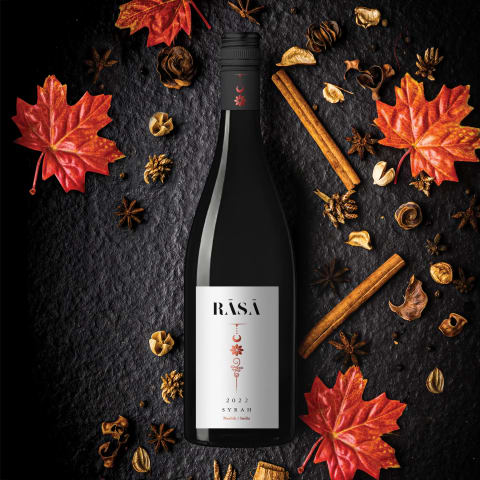
image: sula vineyards
price: rs 800-1000 (750ml) | type: red, dry | grape: shiraz | ABV: 13.5% | rating: 8/10 | research-backed
sula rasa shiraz is the wine that most reviewers and wine-drinking friends point to when i ask “what’s the best indian red under 1000?” the rasa line is sula’s premium tier (above their basic range), and the shiraz is the pick. bold, full-bodied, with dark fruit, pepper, and a hint of oak. this is a wine with actual personality.
from what i’ve read and heard, the rasa shiraz drinks like something that should cost more. the tannins are present but not aggressive, giving it structure without the dryness that scares off new wine drinkers. it works with rich food (paneer tikka, grilled lamb, even a good biryani). chilled slightly, just below room temperature, it opens up and becomes the kind of wine you pour a second glass of without thinking. multiple friends have described it as the wine that changed their mind about indian reds.
at rs 800-1000, it’s at the top of this bracket. in goa and pondicherry, it’s closer to rs 800. in maharashtra (where sula is based in nashik), rs 850-950. in other states, it can touch rs 1000. wherever it falls in that range, it’s the red wine benchmark for this guide. if you’re trying one red wine under 1000, make it this one. don’t start with a budget wine and work up. start here, know what good indian red tastes like, and then explore from there. for the full sula lineup, see my sula wines review.
2. grover zampa la reserve - best overall value under 1000
image: cask cartel
price: rs 800-1000 (750ml) | type: red, dry | grape: cabernet sauvignon-shiraz blend | ABV: 13% | rating: 8/10 | research-backed
grover zampa is based in the nandi hills near bangalore, and la reserve is their flagship red blend. it’s a cabernet-shiraz combination that brings together the structure of cabernet with the fruit-forward warmth of shiraz. the result is a wine that multiple wine-drinking friends have described as “the most complete indian red under 1000.” that’s high praise for a wine that often gets less shelf space than sula.
from reviews and recommendations, la reserve has complexity that most indian wines at this price don’t attempt. there’s dark fruit, a touch of spice, gentle tannins, and a finish that lingers pleasantly. it’s been reviewed favorably in international wine publications and has won awards at recognized competitions. but the real test is whether regular people enjoy drinking it, and the consensus is strongly yes. grover zampa has been making wine since the 1980s, and la reserve shows that experience.
at rs 800-1000, it competes directly with sula rasa shiraz for the top spot. the choice between them comes down to preference. sula rasa is bolder and more fruit-forward, the kind of wine that announces itself. grover la reserve is more balanced and subtle, the kind that grows on you with each sip. if you like your red wine with some finesse, go grover. if you want it punchy and full, go sula. both are excellent. buy one of each and compare them side by side.
3. york arros - the solid everyday red
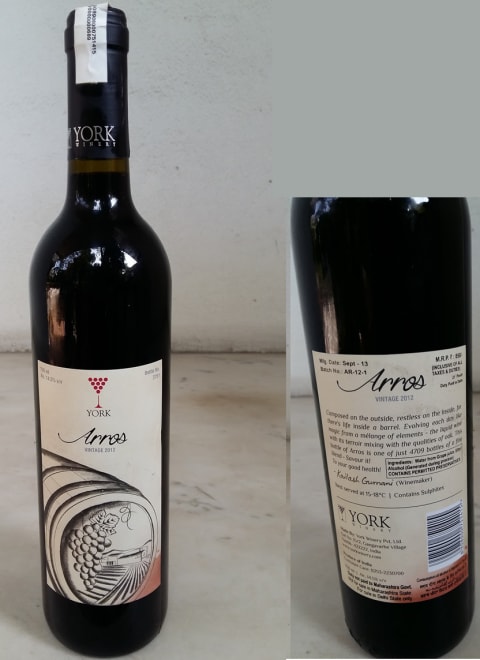
image: liquid embassy
price: rs 700-900 (750ml) | type: red, dry | grape: tempranillo blend | ABV: 13% | rating: 7.5/10 | research-backed
york winery is another nashik-based producer, and arros is their most popular red. what makes it interesting is the use of tempranillo, a spanish grape that’s not common in indian winemaking. most indian reds use shiraz or cabernet sauvignon. york went with tempranillo, and the result tastes different from everything else on the market. that alone makes it worth trying.
based on reviews and friends who’ve had it, york arros is medium-bodied, with red fruit (cherry, plum), mild tannins, and a smooth finish. it’s not as bold as sula rasa or as complex as grover la reserve, but it’s more food-friendly and easier to drink casually. if sula rasa is a “sit down and pay attention” wine, york arros is a “pour a glass while cooking dinner” wine. it just makes the evening better.
the pricing is slightly lower than sula rasa and grover, sitting at rs 700-900 in most states. that makes it the best everyday red under 1000. you can buy this regularly without feeling like you’re splurging. it’s also the most approachable red on this list for people who find shiraz too heavy. the tempranillo grape has a natural elegance that keeps the wine balanced and easy to drink. if you tried york arros in my under 500 guide and liked it, the step up to the reserve or premium variants in this bracket is worth exploring.
4. fratelli sette - italian-style indian wine
price: rs 700-900 (750ml) | type: red, dry | grape: sangiovese-cabernet sauvignon blend | ABV: 13.5% | rating: 7.5/10 | research-backed
fratelli is an italian-indian joint venture winery based in solapur, maharashtra. the italian connection is genuine. the winemaking approach draws from tuscan traditions, and the sangiovese grape (the grape behind chianti) features prominently. sette is their sangiovese-cabernet blend, distinctly different from the shiraz-heavy competition. if every other indian wine is trying to be an australian shiraz, fratelli is quietly making something closer to a tuscan table wine.
from reviews and wine forums, fratelli sette has a lighter, more elegant character than most indian reds. there’s cherry and dried herb on the nose, medium tannins, and an earthy quality that sangiovese brings. it’s the wine for people who find shiraz too heavy or cabernet too tannic. paired with pasta, pizza, or paneer in red sauce, it makes sense in a way that other indian wines don’t. the italian heritage angle isn’t just marketing. the winemakers know what they’re doing with sangiovese, and it shows in the glass.
at rs 700-900, fratelli sette is positioned well in this bracket. it’s slightly cheaper than sula rasa and grover la reserve while offering something genuinely different. if you’re exploring indian wine beyond sula and want something with a distinctly european sensibility, fratelli is the pick. it’s also the wine i’d recommend for dinner parties where you want to look like you know something about wine. “it’s a sangiovese-cabernet blend from an italian-indian winery” is a better conversation starter than “it’s sula.”
5. KRSMA sangiovese - karnataka’s finest under 1000
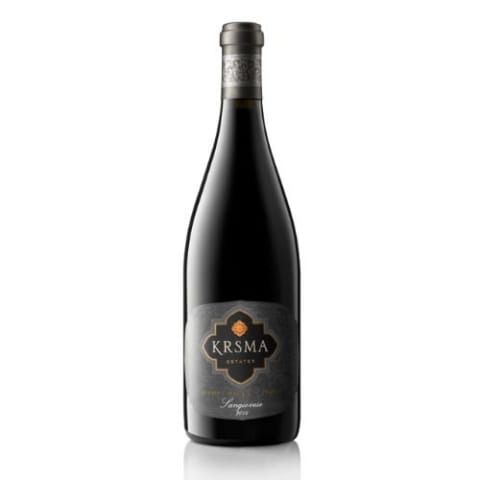
image: online alcohol
price: rs 800-1000 (750ml) | type: red, dry | grape: sangiovese | ABV: 13.5% | rating: 7.5/10 | research-backed
KRSMA (krishna and uma, the founders’ names) is a premium winery in hampi hills, karnataka. they’re relatively new compared to sula and grover zampa but have quickly built a reputation for quality that punches well above their size. the sangiovese is their most accessible wine under 1000, and it shows what karnataka can do when the focus is on quality rather than volume.
from reviews, KRSMA sangiovese is elegant and well-structured. medium-bodied with cherry, raspberry, and a touch of earthiness. the tannins are silky rather than grippy. reviewers consistently describe it as “refined,” which is not a word that comes up often for indian wines at this price. KRSMA’s winemaker has brought international experience to the project, and it shows. the wine has a polish that most indian wines at this price lack.
the challenge with KRSMA is availability. it’s a boutique winery with limited distribution. you’ll find it in well-stocked wine shops in bangalore, mumbai, and delhi, and occasionally in goa’s better liquor stores. smaller cities might not carry it. if you spot a bottle, buy it. at rs 800-1000, it’s one of the best examples of what indian wine can be when a smaller producer focuses on quality over volume. it’s the wine that makes you realize nashik isn’t the only place making serious wine in india.
best white wine under 1000 in india
white wine is underrepresented in this bracket because indian wineries lean heavily into reds. that’s partly climate-driven (the hot, sunny conditions in nashik and karnataka favor red grapes) and partly market-driven (indian consumers associate wine with red). but sula’s sauvignon blanc is the pick of the whites, and it’s genuinely one of the best wines in this entire guide, red or white.
6. sula vineyards sauvignon blanc - the best white wine under 1000
image: livcheers
price: rs 700-900 (750ml) | type: white, dry | grape: sauvignon blanc | ABV: 12.5% | rating: 8/10
sula sauvignon blanc is the one wine on this list i’ve personally had, and it’s good. not “good for indian wine” good. just good. i had it at a friend’s dinner party, chilled, with some grilled fish and a salad. crisp, with a citrusy brightness that made it easy to drink. i poured a second glass without thinking, which doesn’t happen with wines i’m indifferent about. that’s the honest test: do you want more?
the tropical fruit character is noticeable but not overpowering. there’s lime, a touch of passionfruit, and a clean, dry finish. it doesn’t taste sweet, which is a common complaint about cheap indian whites. this is a properly dry white wine that could stand on a shelf next to a new zealand sauvignon blanc and not be embarrassed. okay, maybe slightly embarrassed, but it holds up better than you’d expect. at rs 700-900, it’s the white wine i’d recommend to anyone who’s curious but hasn’t tried indian wine yet.
serve it cold. properly cold, not room temperature with an ice cube thrown in. put the bottle in the fridge for 2-3 hours before opening. the temperature makes a huge difference with white wine. warm sauvignon blanc is a worse experience. availability is excellent. sula is the most widely distributed wine brand in india, and most decent liquor shops in metros and tier-1 cities stock it. if you’ve only tried sula’s basic wines and were underwhelmed, the sauvignon blanc is a step up that justifies the extra rs 200-300 completely.
best budget wine under 1000
these wines sit at the lower end of this bracket, offering good value for people who want to drink wine regularly without spending rs 900 every bottle. they’re the everyday wines, the “just open something” wines.
7. big banyan merlot - the beginner-friendly red
price: rs 600-800 (750ml) | type: red, dry | grape: merlot | ABV: 13% | rating: 7/10 | research-backed
big banyan is a bangalore-based winery that’s been growing steadily. the merlot is their most popular red and is consistently recommended as a “starter red” for people transitioning from beer or cocktails to wine. merlot as a grape is softer and more approachable than cabernet or shiraz. it’s the training wheels of red wine, and i mean that as a compliment. every serious wine drinker started somewhere, and big banyan merlot is one of the best starting points in india.
from reviews and friends who drink it, big banyan merlot is smooth, medium-bodied, with plum and cherry flavors and minimal tannin bite. it doesn’t challenge you or ask you to analyze it. it just tastes pleasant, which is exactly what a new wine drinker needs. the fruit character is clean and forward, without the complexity that can overwhelm someone who’s never had wine before. paired with mild food (grilled paneer, pasta with light sauce, pizza), it’s a comfortable, easy evening drink.
at rs 600-800, it’s the most affordable wine in this guide. you can find it in most good liquor shops in metros and increasingly in tier-2 cities. if you’re someone who’s been curious about wine but intimidated by the selection, start here. it’s the lowest-risk way to find out if you actually like red wine. if you enjoy this, try york arros or sula rasa next for more complexity. if you covered big banyan in the under 500 guide, the step up in this bracket is noticeable. the extra rs 200 buys you more depth and a cleaner finish.
8. charosa reserve - the underrated nashik pick
image: cask cartel
price: rs 800-950 (750ml) | type: red, dry | grape: cabernet sauvignon | ABV: 13.5% | rating: 7/10 | research-backed
charosa is a nashik winery that doesn’t get the attention of sula or york but produces solid wines. the reserve cabernet sauvignon is their standout in this price range. it’s a small-production wine from a winery that focuses on quality over distribution volume. while sula pushes for national presence, charosa just makes good wine and sells it to people who find their way to it.
from reviews, charosa reserve has good structure, with firm tannins, blackcurrant, and a touch of vanilla from oak aging. it’s drier and more structured than most indian reds at this price, which appeals to drinkers who find sula too fruity or big banyan too soft. if you lean toward old-world wine styles (french, italian), charosa’s approach might resonate more than the fruit-forward style that dominates indian winemaking.
availability is limited compared to sula or grover zampa. you’ll find it in select shops in maharashtra and a few metros, plus occasionally in goa. at rs 800-950, it’s competing against sula rasa and grover la reserve, which are more readily available and arguably more crowd-pleasing. charosa reserve is for the person who’s already tried those and wants something with a different character. it’s not the first bottle to buy in this bracket, but it’s a worthy third or fourth exploration.
9. four seasons barrique - the oak-aged character wine
image: cask cartel
price: rs 700-900 (750ml) | type: red, dry | grape: cabernet sauvignon | ABV: 13% | rating: 7/10 | research-backed
four seasons winery sits in baramati, maharashtra, and the barrique is their oak-aged cabernet. “barrique” refers to the small oak barrels used for aging, which impart vanilla, spice, and complexity to the wine. it’s a technique borrowed from french winemaking, and four seasons does it competently. the oak aging is what separates this wine from the fruit-forward approach that most indian wineries take.
from reviews, the barrique has more oak character than most indian wines at this price. there’s vanilla, a touch of smoke, and a dryness that lingers on the finish. it’s not overoaked (a common problem with new-world wines trying too hard), but the oak is definitely present and adds a savory dimension. if you like the idea of a red wine with some barrel-aged warmth, this is the most affordable way to experience that in india. it’s also a good wine to pair with grilled meats or anything with a smoky element to the cooking.
at rs 700-900, four seasons barrique is good value for a wine with genuine oak aging. the competition at this price (sula rasa, york arros) is fruit-forward, while barrique offers something more savory and structured. try it if you want variety in your wine exploration. if you’ve had three bottles of sula rasa and want something that tastes different, this is a solid change of pace.
10. vallonne cabernet - the boutique find
price: rs 700-900 (750ml) | type: red, dry | grape: cabernet sauvignon | ABV: 13.5% | rating: 6.5/10 | research-backed
vallonne is a boutique nashik winery that’s small enough that most people haven’t heard of it. the cabernet is their primary offering in this price range, the kind of small-producer wine emerging as nashik’s industry matures beyond the big names. the indian wine market is shifting from “sula and a few others” to a genuine ecosystem of producers, and vallonne is part of that.
from what i’ve gathered through reviews and wine forums, vallonne cabernet is a decent, straightforward wine. good fruit, moderate tannins, clean finish. it doesn’t have the complexity of grover la reserve or the boldness of sula rasa, but it’s well-made and honest. the small-batch production means consistency can vary between vintages, which is a risk that larger producers like sula don’t carry.
at rs 700-900, vallonne is competing against established names with bigger reputations and better distribution. the main reason to try it is curiosity and support for smaller indian wineries. if you’ve had sula and grover and want to explore what else nashik has to offer, vallonne is a worthy experiment. if you’re buying your first wine in this bracket, stick with the top five on this list. start with the proven winners and explore the boutiques once you know what you like.
under 1000 vs under 500: the quality jump
this comparison matters because the price difference is only rs 300-500, but the quality difference is dramatic. it might be the most cost-effective upgrade in all of indian alcohol.
under rs 500 (covered in my wine under 500 guide), you’re getting wines that are “decent for the price.” the grape character is faint, the winemaking is basic, and the experience is fine but forgettable. you serve it and it’s acceptable. nobody complains, but nobody asks for a second glass either. it’s wine the same way instant coffee is coffee. technically correct, functionally adequate, missing something essential.
under rs 1000, you’re getting wines that are genuinely good. the grape character is pronounced. the winemaking techniques (oak aging, blending, proper fermentation control) show up in the glass. sula rasa shiraz at rs 800-1000 is not the same category of product as a rs 400 budget wine. the difference is not subtle. it’s the difference between “i’ll have wine i guess” and “this is really nice, what is this?” the rs 300-500 upgrade is worth more than any comparable upgrade in whisky, beer, or rum.
if you’ve been buying wine under 500 and thinking “indian wine is just okay,” spend rs 800-1000 on sula rasa or grover la reserve. it will change your perception. the under-1000 bracket is where indian wine earns its credibility.
a note on wine storage and serving
this matters more for wine than for whisky or rum. a poorly stored, warm-served wine will taste terrible regardless of brand. a few tips that make a genuine difference:
storage: keep wine bottles on their side in a cool, dark place. don’t store them on top of your fridge (too warm) or near a window (heat and light damage wine). if you’re buying to drink within a week or two, any cool cupboard works. for longer storage, you need proper conditions.
serving temperature: reds are best at 16-18 degrees celsius (slightly below room temperature in india). put them in the fridge for 20-30 minutes before opening. whites should be cold, 7-10 degrees. full fridge cold, 2-3 hours minimum.
opening: if you don’t have a corkscrew, buy a basic waiter’s friend. it costs rs 100-200 and will last years. tearing at a cork with a knife is how you ruin a bottle and possibly your hand.
drinking: you don’t need fancy wine glasses. any clean, clear glass works. but avoid steel tumblers and plastic cups. the material affects how you perceive the aroma, and wine is an aromatic drink.
verdict: best wine under 1000 to buy
the picks here are clean and confident. the quality is high enough that i can recommend these without the caveats that lower brackets require.
best red wine under 1000: sula rasa shiraz. bold, fruit-forward, and available almost everywhere. the red i’d recommend to anyone exploring this bracket for the first time.
best white wine under 1000: sula sauvignon blanc. crisp and genuinely enjoyable chilled. the best white wine experience you can have in india at this price. serve it cold.
best overall value: grover zampa la reserve. a balanced, complex red blend that drinks like a wine costing more. if you want one bottle that shows off what indian wine can do, this is it.
for beginners: big banyan merlot. soft and hard to dislike. the safest first step into red wine. pair it with pizza and you’re set.
for the adventurous: fratelli sette or KRSMA sangiovese. if you’ve had sula and grover and want to explore beyond the obvious, these offer genuinely different flavors from the sangiovese grape.
if you want to explore further up, the wine under 2000 guide covers premium indian wines and a few imports that start becoming available at that price. and for a broader view of every wine brand worth knowing, the best wine brands in india guide has the full picture.
best wine under 1000: frequently asked questions
drink responsibly. must be of legal drinking age in your state.
💰 prices change every month. don't overpay.
we track prices across 12 states. get the updated price list when rates change in your city.
want the full price list?
we send updated prices for every brand across 12 indian states. one email, once a month. that's it.
frequently asked questions
which is the best wine under 1000 in india?
sula rasa shiraz is the best red wine under 1000 in india. for white wine, sula sauvignon blanc is the top pick. grover zampa la reserve is the best overall value if you want something with depth and complexity.
is indian wine any good under 1000?
yes, under 1000 is where indian wine genuinely gets good. the jump from under 500 to this range is dramatic. wineries like sula, grover zampa, fratelli, and york produce wines at rs 700-1000 that are legitimately enjoyable, not just drinkable.
is sula rasa shiraz the best indian red wine?
at rs 800-1000, sula rasa shiraz is the best indian red wine in this price range. bold, full-bodied, with dark fruit and spice. for the absolute best indian red regardless of price, KRSMA and grover zampa make premium bottles above 1000.
which wine under 1000 is best for beginners?
sula sauvignon blanc for white wine lovers and big banyan merlot for red wine beginners. both are approachable, not too complex, and widely available.
red wine or white wine: which is better under 1000?
both are good at this price. reds have more depth and variety (shiraz, merlot, cabernet). whites are more refreshing and easier to drink chilled. try one of each to find your preference.
are there imported wines under 1000 in india?
very few. import duties make most international wines rs 1500+ in india. under 1000, you're almost entirely looking at indian wines. that's not a bad thing. indian wineries have improved dramatically.
what food pairs with wine under 1000?
reds (sula rasa, grover la reserve) pair with paneer tikka, grilled chicken, lamb. whites (sula sauvignon blanc, york arros white) go with salads, fish, and lighter appetizers. don't overthink it.
is nashik the best wine region in india?
nashik produces most of india's wine and has the best climate for grape growing. but karnataka (KRSMA, grover zampa) and other regions are producing excellent wines too. the quality gap has narrowed.
does wine under 1000 cause worse hangovers than expensive wine?
not necessarily. indian wines at rs 700-1000 are well-made and shouldn't cause worse hangovers than pricier options. drink water between glasses, don't mix with spirits, and you'll be fine.
is wine under 1000 better than beer under 1000?
different drinks, different occasions. wine has more complexity and pairs better with food. beer is more casual and refreshing. at rs 700-1000, indian wines offer a surprisingly good experience that most beer drinkers haven't explored.