tldr: the science is simple. salt stimulates saliva (which alcohol suppresses), fat coats your mouth (reducing burn), and crunch adds texture contrast. whisky + paneer tikka. beer + pakora. gin + onion pakoda. rum + fafda or french fries. wine + cheese. peanuts and makhana go with literally everything. don’t overthink it, but matching your chakhna to your drink does make both taste better.
there are two approaches to food and alcohol in india. approach one: you have whatever snacks are available, and you eat them with whatever you’re drinking. approach two: you actually think about what flavours work together and match your chakhna to your drink.
most people are firmly in approach one, and there’s nothing wrong with that. peanuts and makhana go with everything. but certain foods do taste better with certain drinks, and that’s not a coincidence. there’s actual science behind why some combinations work and others don’t.
this guide covers the basics, then gets specific about what indian snacks work best with each type of spirit. it’s practical, not pretentious. you won’t find me telling you to pair your blenders pride with aged gouda and fig compote. we’re talking pakora, tikka, bhujia, and chaat.
my default chakhna is roasted peanuts and makhana. i eat them with kingfisher, with whisky, with anything. they’re cheap and have decent protein. but match the food to the drink and the experience genuinely changes for the better.
the science of why certain foods work with certain drinks
three principles explain almost everything about food and drink pairing.
salt stimulates saliva
alcohol suppresses salivation. your mouth gets drier as you drink, which reduces your ability to taste both the drink and the food. salt counteracts this by stimulating saliva production, restoring your mouth’s ability to detect flavours.
this is why salted peanuts, bhujia, mathri, and namkeen are the universal chakhna. the salt is functional, keeping your mouth working properly while you drink.
salt also enhances sweet and tangy flavours while rounding off bitterness. eat something salty with a slightly bitter spirit and the bitterness becomes less harsh while the other flavours become more prominent.
fat reduces burn
alcohol creates a burning sensation because it activates the same receptors in your mouth that respond to heat (specifically, the TRPV1 receptor). fat coats these receptors, creating a protective layer that reduces the burn.
this is why cheese with wine works so well. the fat in cheese literally coats your mouth and makes the wine feel smoother. it’s also why greasy foods feel comforting when you’re drinking. the fat is doing actual work.
paneer, cheese, peanuts, and anything with a decent fat content will make your drink feel smoother. this doesn’t mean you should drown yourself in fried food (your stomach will punish you later), but moderate amounts of fat-containing snacks genuinely improve the drinking experience.
texture creates contrast
your mouth craves contrast. if everything you consume has the same texture, the experience gets monotonous. alcohol is liquid, so pairing it with something crunchy creates a pleasing contrast.
this is why crispy snacks (pakora, papdi, makhana, chips, mathri) are more satisfying as chakhna than soft foods. the crunch breaks up the liquid monotony and makes each sip feel fresh.
combining all three: something salty, with some fat, and a good crunch, is the ideal chakhna formula. paneer tikka nails this. so do roasted peanuts with chaat masala. and masala papad. the best indian drinking snacks instinctively hit all three criteria.
the complete chakhna pairing table
here’s the quick reference. detailed explanations for each pairing follow below.
| spirit | flavour profile | ideal chakhna | why it works |
|---|---|---|---|
| whisky (neat/single malt) | malty, smoky, complex | paneer tikka, mushroom tikka | smoky flavours complement each other |
| whisky (highball) | refreshing, light, fizzy | hara bhara kabab, aloo tikki | crunch and spice balance the refreshment |
| beer (wheat) | citrusy, light, zesty | masala papad, gujarati snacks | spice matches the beer’s citrus notes |
| beer (lager) | smooth, malty, clean | paneer tikka, samosa, corn chaat | smoky and spicy food balances the malt |
| gin and tonic | botanical, floral, crisp | onion pakoda, murmura chaat | spicy crunch complements the clean gin |
| vodka cocktail | smooth, rounded, neutral | samosa with chutney, papdi chaat | spice provides what the vodka lacks |
| rum (hot cocktail) | spiced, warm, rich | fafda, gathiya, makhana | light crunch doesn’t compete with the drink |
| rum (cold cocktail) | fresh, bubbly, minty | onion pakoda, french fries | bold snacks balance the refreshing drink |
| tequila cocktail | herbaceous, peppery | corn ribs, bhutta with nimbu, mirchi bhaji | citrus and spice match the peppery notes |
| red wine | bold, tannic, fruity | cheese, kebabs, roasted vegetables | fat and protein soften the tannins |
| white wine | crisp, light, acidic | light snacks, grilled paneer, salad | delicate food matches delicate wine |
whisky pairings
whisky is the most popular spirit in india. the pairing depends on how you’re drinking it.
single malt or neat whisky
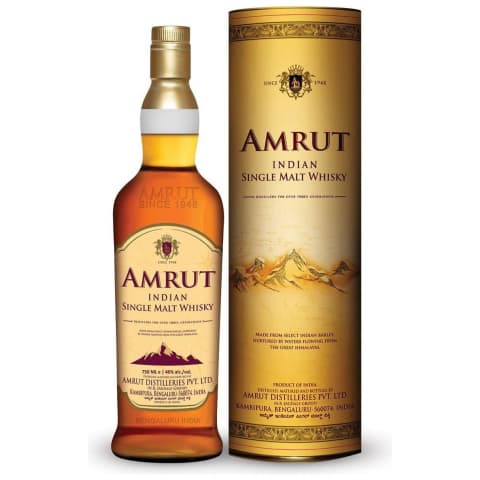
image: bsw liquor
when you’re sipping a single malt or even a good blended whisky neat, the drink has a malty, sometimes smoky character with complex flavour notes. you want food that complements without overpowering.
best picks: paneer tikka, mushroom tikka, or any lightly charred, smoky snack. the char on the tikka mirrors the wood-aging character of the whisky. the spice is present but not overwhelming, letting you still taste the whisky.
here’s an underrated pairing: aloo jeera fry, made crispy. the cumin’s earthiness pairs beautifully with the malt character. it works with both neat and highball formats.
whisky highball
a highball is refreshing and fizzy, so it can handle more assertive, chatpata food. hara bhara kabab with green chutney is excellent. aloo tikki with tamarind chutney is another winner. the cold, bubbly highball cleanses your palate between bites of something flavourful.
for a detailed guide on making a proper highball, check how to drink whisky in india.
beer pairings
beer is the most food-friendly alcohol category because of its natural carbonation (cleanses the palate) and moderate alcohol content (doesn’t overwhelm food).
wheat beer (belgian-style)
bira 91 white and similar wheat beers have citrus and coriander notes. they’re light and zesty. pair them with something that has matching zing.
best picks: masala papad is the top choice. the crunch, the chilli flakes, the onion, all of it plays off the beer’s citrus notes perfectly. gujarati snacks like khakhra, gathiya, and sev also work beautifully. they’re light enough to not overwhelm the delicate beer but have enough spice to create interest.
lager
kingfisher premium, budweiser, and tuborg are lagers. they’re clean and malty, so they can handle richer, smokier food.
best picks: paneer tikka, corn chaat with lime and chaat masala, or samosa with green chutney. the samosa is a classic combination for a reason. the crispy, spicy filling with cool mint chutney and a cold lager is one of the best food-drink pairings in india.
pakora with chai is iconic in india. pakora with beer should be equally iconic. the carbonation cuts through the oil, the cold temperature refreshes after each spicy bite, and the crunch-fizz contrast is satisfying.
gin and tonic pairings
gin and tonic is refreshing, botanical, and slightly bitter from the tonic water. the floral and herbaceous notes need something with assertive flavour to create balance.
the winner: onion pakoda. this is my hill to die on. crispy, golden onion pakoda with a cold gin and tonic is one of the best food-drink combinations in indian drinking culture. the crispy exterior provides texture, the spice in the batter creates flavour interest, and the soft, sweet onion inside adds a layer of complexity. it’s perfect.
other options: murmura chaat with peanuts, bhel puri, vegetable cutlets, or paneer pakoda. anything with crunch and moderate spice works with gin and tonic.
if you want to get fancy: a plate of assorted pakoras (onion, potato, paneer, spinach) served alongside a gin and tonic made with bombay sapphire is restaurant-quality entertaining that costs practically nothing to put together at home. add some green chutney and you’re done.
vodka cocktail pairings
vodka is unique because it’s designed to have minimal flavour. in a cocktail, the overall profile comes from the mixers and other ingredients rather than the spirit itself. this means pairing depends on the specific cocktail.
for most vodka cocktails (cosmopolitan, vodka cranberry, vodka lime soda), you want something that adds flavour and texture since the drink itself is relatively smooth.
best picks: samosa with chutney is outstanding with vodka cocktails. the spicy, crispy filling contrasts with the smooth cocktail. papdi chaat is excellent because the yogurt rounds out the cocktail’s flavours while the papdi adds crunch. paneer 65 or paneer tikka also works.
smirnoff or absolut vodka soda with papdi chaat is an underrated combination. try it once.
rum pairings
rum has a wide range. dark rum has molasses, spice, and caramel notes. white rum is cleaner and lighter. the pairing changes based on which type and how you’re drinking it.
hot rum cocktails (winter drinks)
hot rum with spices is already packed with flavour. you don’t want food that competes with it. keep the chakhna light and crunchy.
best picks: gujarati snacks are the unexpected winner here. fafda and gathiya have besan-based complexity, a satisfying crunch, and enough flavour to be interesting without overwhelming the warm, spiced drink. makhana (roasted, lightly salted) is another excellent option.
cold rum cocktails (mojito, daiquiri)
cold rum cocktails are bubbly and refreshing, so they can handle bolder food.
best picks: onion pakoda, paneer pakoda, french fries. the crunch and oil are balanced by the cold, fizzy drink. the classic old monk and cola with a plate of french fries dusted with chaat masala is a college staple for a reason: it just works.
tequila cocktail pairings
tequila cocktails (margarita, paloma) have herbaceous, peppery notes from the agave base. these peppery notes pair naturally with citrus and spice.
best picks: corn ribs or simple bhutta (roasted corn on the cob) with nimbu and salt. corn and tequila are both from mexico, and the pairing is culturally authentic. the citrus and salt on the corn mirror what’s already in a good margarita.
mirchi bhaji or any chilli-forward pakoda also works well. the spice in the food amplifies the peppery character of the tequila rather than fighting it.
wine pairings with indian food
wine pairing is a whole world of its own. the short version for indian food:
spicy curries: off-dry whites like chenin blanc or riesling. the slight sweetness cools the heat. check out the wine guide for beginners for more on this.
tandoori and grilled items: rosé or medium-bodied reds like shiraz. the smoky char of tandoori food loves the fruit-forward character of these wines.
paneer dishes: rosé or light whites. paneer’s mild flavour doesn’t overpower delicate wines.
rich curries (butter chicken, dal makhani): chenin blanc (the acidity cuts the fat) or merlot (the body matches the richness).
cheese: any red wine. the classic pairing. the tannins in red wine bind with the protein in cheese, softening both.
for specific wine recommendations under rs 500, check the dedicated guide.
the universal chakhna tier list
some snacks work with everything. here’s my ranking of the most versatile drinking snacks in india:
S tier (goes with literally anything)
- roasted peanuts with chaat masala: salt, fat, protein, crunch. perfect.
- makhana (roasted fox nuts): low calorie, great crunch, light enough to not compete with any drink
- paneer tikka: smoky, fatty, protein-rich. works with whisky, beer, wine, cocktails
A tier (works with most drinks)
- masala papad: salt, crunch, spice. amazing with beer and gin
- onion pakoda: the best hot snack for drinking. period
- bhujia/sev mixture: the classic lazy chakhna. works always
B tier (works with specific drinks)
- samosa with chutney: excellent with beer and vodka cocktails
- french fries with chaat masala: great with cold rum cocktails and beer
- papdi chaat: outstanding with vodka cocktails and beer
C tier (situational)
- cheese cubes: great with wine, decent with whisky
- cucumber/carrot sticks with hummus: the “healthy” option. works with gin and white wine
- boiled eggs with salt and pepper: protein bomb. decent with beer and whisky
practical tips for a house party
if you’re hosting and serving multiple drinks, you don’t need to prepare different snacks for each spirit. here’s the efficient approach:
- a bowl of roasted peanuts with chaat masala (covers everyone)
- a plate of masala papad (easy to make, goes with everything)
- one hot snack: onion pakoda (the universal crowd pleaser)
- one substantial snack: paneer tikka or aloo tikki (for people who want real food)
that’s four items that cover every drink at the table. total prep time: 30-40 minutes. total cost: under rs 500 for 6-8 people.
for more party planning, check best drinks for house party in india and best cocktails at home.
a note on eating while drinking
beyond flavour pairing, eating while drinking serves a critical practical purpose: it slows alcohol absorption. food in your stomach delays gastric emptying, which means alcohol reaches your small intestine more slowly, giving your liver more time to process each batch.
this is why drinking on an empty stomach gets you drunk faster and leads to worse hangovers. the chakhna tradition is genuinely protective, not just about taste.
balance still matters. very oily, deep-fried food in large quantities can worsen acid reflux when combined with alcohol. excessively salty snacks increase thirst and lead to faster drinking. the ideal is moderate amounts of flavourful food, not a mountain of fried items.
eat something before you start drinking. eat something while you drink. and eat something carb-rich and protein-rich when you’re done. your body will thank you the next morning.
FAQ
drink responsibly. must be of legal drinking age in your state.
💰 prices change every month. don't overpay.
we track prices across 12 states. get the updated price list when rates change in your city.
want the full price list?
we send updated prices for every brand across 12 indian states. one email, once a month. that's it.
frequently asked questions
what is the best chakhna with whisky?
paneer tikka or mushroom tikka for single malt sipped neat. the smoky, charred flavours complement whisky's malty character. for a whisky highball, try hara bhara kabab with green chutney or aloo tikki. the crunch and spice balance the refreshing fizz. roasted peanuts with chaat masala work with any whisky format.
why do people eat peanuts with alcohol?
there's actual science behind it. alcohol reduces salivation, which affects your ability to taste and enjoy food. salt stimulates saliva production, restoring mouth feel. peanuts provide salt, protein, and crunch. the salt enhances the sweet and tangy flavours of your drink while the protein slows alcohol absorption. it's not random tradition, it's functional.
what food goes best with beer?
wheat beer pairs well with masala papad and gujarati snacks (gathiya, khakhra) because the beer's citrusy notes match the spice. lager pairs with paneer tikka, corn chaat, and samosa with chutney. the key is matching the beer's weight: light beer with light snacks, heavier beer with richer food.
what should you eat with rum?
hot rum cocktails (like rum toddy in winter) pair with light, crunchy snacks like fafda, gathiya, or makhana because the drink itself is already flavourful. cold rum cocktails like mojito pair with more substantial, spicy snacks like onion pakora, paneer pakora, or french fries. the cold drink can handle bolder food accompaniments.
does food pairing really matter or is it just snobbery?
there's genuine food science behind it. fat in food coats your mouth and reduces the alcohol burn. salt enhances flavour perception and stimulates saliva. acid in food can complement or contrast with the drink's profile. spice creates interesting interactions with alcohol's warmth. you can eat anything with anything, but matching flavours genuinely does make both the food and drink taste better.
what indian snacks go with gin and tonic?
onion pakora is the top recommendation. the crispy, spicy exterior and soft onion interior create a texture contrast that complements the smooth, botanical gin and tonic perfectly. murmura chaat with peanuts, bhel puri, and vegetable cutlets also work well. anything crunchy and spicy pairs with gin's refreshing character.
what food pairs with vodka cocktails?
since vodka has minimal flavour of its own, the cocktail's overall profile matters more. samosa with chutney, papdi chaat, paneer tikka, and paneer 65 all work well. papdi chaat is particularly good because the yogurt rounds out the cocktail's flavours while the papdi provides crunch.
can you pair wine with indian food?
absolutely. off-dry white wines like chenin blanc balance spicy curries. rosé works with tandoori dishes. shiraz complements kebabs and grilled food. the common mistake is pairing very tannic reds with very spicy food, which can taste bitter. for detailed wine pairing tips, check the wine guide on this site.
what should you avoid eating with alcohol?
very oily or deep-fried food in large quantities can worsen acid reflux when combined with alcohol. excessively salty snacks make you thirsty and lead to drinking more (and faster). very spicy food with high-alcohol spirits can irritate an already stressed stomach lining. moderation in both food and drink is the key.
what is the healthiest chakhna option?
roasted makhana (fox nuts) is excellent: low calorie, good fibre, light crunch. roasted peanuts with minimal oil and some chaat masala provide protein and healthy fats. cucumber and carrot sticks with hummus work if you want something fresh. boiled eggs are nutrient-dense. the goal is something with protein and moderate salt, without excessive oil.