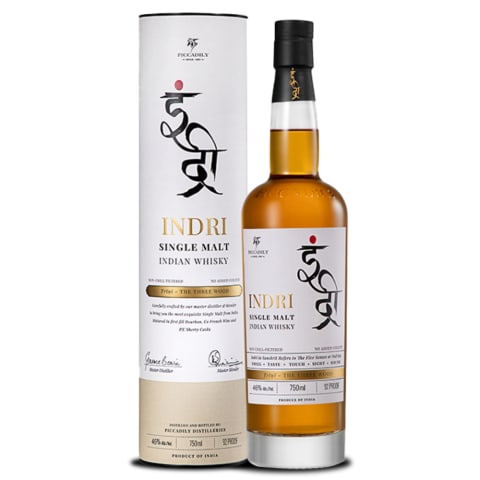
tldr: 2026 is a landmark year for indian whisky on the global stage. indri, amrut, paul john, rampur, godawan, and sangam are all picking up medals at the world whiskies awards, san francisco world spirits competition, and other major international events. indian distillers have been building toward this for years. tropical maturation, quality barley, and smart cask management are producing whiskies that compete with (and sometimes beat) the best from scotland, japan, and america. if you’re still sleeping on indian single malts, the rest of the world isn’t.
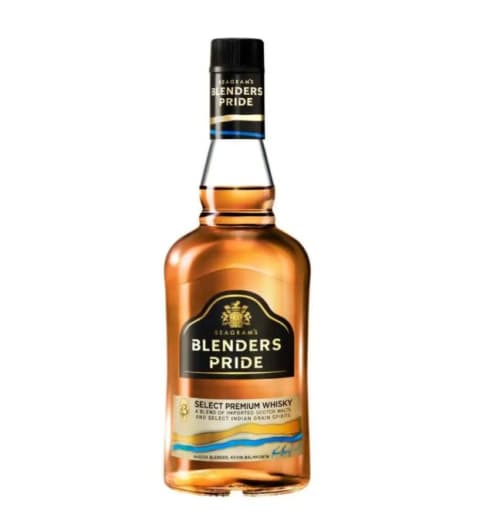
not that long ago, “indian whisky” was a punchline in the global spirits world. the international whisky community dismissed it entirely. most “indian whisky” was technically not even whisky by global standards. it was molasses-based spirit with added flavoring.
that era is over.
in 2026, indian single malts aren’t just competing at international awards. they’re winning. consistently. across multiple competitions. against the best whiskies from scotland, japan, ireland, and america.
here’s what’s happening, who’s winning, and why it matters for anyone who drinks whisky in india.
the awards that matter
not all spirits competitions are equal. here are the ones that carry real weight in the global whisky community:
| competition | prestige | judging | key indian wins |
|---|---|---|---|
| world whiskies awards (WWA) | highest | blind, expert panels | indri, amrut, paul john, rampur |
| san francisco world spirits (SFWSC) | very high | blind, industry judges | amrut, paul john, rampur |
| international spirits challenge (ISC) | high | blind, masters-level judges | amrut, rampur, indri |
| international wine & spirit competition (IWSC) | high | blind, multi-round | paul john, amrut |
these aren’t vanity awards where you pay to get a medal. the judging is blind. panelists don’t know which country a whisky comes from, let alone the brand. when an indian whisky wins gold at these events, it beat scotch, bourbon, and japanese whisky in a fair fight.
the indian brands leading the charge
indri - the headline maker
indri changed the conversation. when the diwali collector’s edition won “world’s best” at the 2023 whiskies of the world awards, it was a watershed moment. since then, indri has continued collecting medals across major competitions. the trini expression, matured in three cask types (bourbon, wine, PX sherry), has become one of the most awarded indian whiskies of all time.
what makes indri special is accessibility. at rs 3500-5000, it’s priced for regular consumption, not just collecting. it’s smooth enough for beginners while complex enough for enthusiasts. that combination of price and approachability is why judges keep awarding it.
amrut - the pioneer that keeps delivering
amrut started this entire movement. the bangalore distillery put indian whisky on the map when jim murray rated amrut fusion 97/100 in 2010. sixteen years later, amrut is still winning. the fusion remains a benchmark, but expressions like intermediate sherry, kadhambam, and the peated variants continue to pick up medals.
amrut’s advantage is range. they make everything from approachable entry-level malts to cask-strength limited editions that compete with the finest scotch. their consistency across the lineup is what keeps critics paying attention.
paul john - goa’s gift to whisky
paul john distillery in goa produces some of india’s most tropical, fruit-forward whiskies. the brilliance, edited, and bold expressions have all won international recognition. paul john’s coastal location means the whisky matures in humid, warm conditions that produce distinctive flavors: ripe tropical fruit, honey, and a gentle maritime influence.
in 2026, paul john continues to be a strong performer at SFWSC and ISC, with multiple medals across their range.
rampur - the wine-cask innovator
rampur asava’s cabernet sauvignon finish has been a critical darling since its release. with a 94/100 aggregated critic score, it’s one of india’s highest-rated whiskies. the distillery in uttar pradesh, one of the oldest in india, has proven that innovation in cask finishing can set indian whisky apart.
rampur’s continued success at international awards validates their approach: take quality indian malt and finish it in interesting casks. the asava, double cask, and PX sherry finish have all earned medals.
godawan - the diageo-backed newcomer
godawan is diageo india’s single malt offering, and it represents a different approach to indian whisky. using six-row barley varieties native to india and unique local processing methods, godawan is deliberately trying to taste distinctly indian rather than imitating scotch or japanese styles.
international judges are taking notice. the flavor profile is earthy and grainy with indigenous character, and it gets noticed in blind tastings precisely because it’s so different from everything else.
sangam - the one to watch
sangam is the emerging name that whisky circles are buzzing about. as a newer entrant, it’s still building its competition track record, but early results and critic attention suggest it could be another significant player in the indian single malt space.
what’s driving the rise
1. tropical maturation advantage
india’s warm climate is a whisky-making superpower. whisky matures 3-4 times faster in india than in scotland. what takes 12 years in the highlands can happen in 3-4 years in bangalore, goa, or rampur. the angel’s share is higher (evaporation loss), but the spirit picks up complex oak character quickly.
this means indian distillers can produce mature, complex whisky without waiting a decade. the economics are completely different from scotch.
2. quality barley and ingredients
indian distillers have invested heavily in sourcing premium malted barley, both domestic (from rajasthan and punjab) and imported (from scotland and australia). the raw material quality gap that once existed between indian and scotch whisky has largely closed.
3. creative cask management
indian distillers aren’t just copying scotch cask programs. they’re innovating. indri uses three different cask types. rampur finishes in cabernet sauvignon casks. amrut experiments with everything from rum casks to wine barrels. this creativity produces unique flavors that judges find exciting.
4. global ambition
the current generation of indian whisky makers isn’t content with the domestic market. they’re building brands for global export, investing in marketing, attending international trade shows, and actively submitting to competitions. they want to be judged against the best in the world, and they’re winning.
indian whiskies compared - the award winners
| whisky | style | price in india | international recognition | best for |
|---|---|---|---|---|
| indri trini | smooth, three-cask | rs 3500-5000 | world’s best winner | beginners, everyday |
| amrut fusion | bold, peated blend | rs 3500-5000 | jim murray 97/100, multiple golds | adventurous drinkers |
| paul john brilliance | tropical, fruity | rs 3500-4500 | SFWSC, ISC medals | fruit-forward fans |
| rampur asava | wine-finished | rs 5000-6000 | 94/100 critic score, multiple golds | wine lovers, sippers |
| godawan | earthy, indigenous | rs 3000-4500 | emerging recognition | explorers, indian terroir |
| sangam | varied | rs 3000-5000 | growing attention | early adopters |
what this means for you
prices might go up
international demand for indian single malts is growing. indri’s prices have already increased since its awards. other brands will likely follow. if there’s an indian single malt you’ve been wanting to try, don’t wait too long.
availability might improve
as brands scale production for global markets, domestic availability should improve. more distilleries are also opening - india could have dozens of single malt producers within the next few years.
india is a whisky country now
india has shed the “blended whisky” and “cheap whisky” reputation. it produces legitimate, world-class single malt that competes with the best. the international awards prove it. the critics confirm it. the only people who still dismiss indian whisky are people who haven’t tried the good stuff.
if you haven’t explored indian single malts yet, start here:
- best single malt whisky in india - the complete guide
- amrut fusion review - the pioneer
- indri single malt review - the headline maker
final thoughts
2026 is the year that indian whisky stopped being a curiosity and became a force. the awards aren’t just nice trophies for distillery lobbies. they signal a fundamental shift in how the world sees indian spirits.
every gold medal at WWA or SFWSC is a message: indian distillers know what they’re doing. the tropical climate is an advantage, not a limitation. and the whiskies being produced today aren’t “good for india.” they’re just good. period.
the best part? you can walk into a liquor store in most indian states and buy these award-winning whiskies at prices that would make a scotch drinker weep. a bottle that wins gold against 12-year-old scotch, and it costs rs 3500-5000? that’s the privilege of being in the country where this stuff is made.
don’t sleep on it.
drink responsibly. must be of legal drinking age in your state.
💰 prices change every month. don't overpay.
we track prices across 12 states. get the updated price list when rates change in your city.
want the full price list?
we send updated prices for every brand across 12 indian states. one email, once a month. that's it.
frequently asked questions
which indian whiskies won international awards in 2026?
multiple indian whiskies have been recognized in 2026 international competitions including indri (world whiskies awards medals), amrut (continued recognition at san francisco world spirits competition), paul john (multiple medals), godawan (recognition for its unique approach), rampur (continued awards streak), and sangam (emerging brand gaining attention). the full list is growing as more competition results are announced.
what is the world whiskies awards?
the world whiskies awards (WWA) is one of the most prestigious international whisky competitions, run by whisky magazine. whiskies are judged blind by panels of experts and awarded bronze, silver, gold, and category winner medals. winning at WWA is considered a major achievement in the global whisky industry.
has an indian whisky ever won world's best?
yes. indri diwali collector's edition won 'world's best' at the 2023 whiskies of the world awards, putting indian whisky on the global map in a historic way. indian whiskies have continued to win top category awards at multiple competitions since then.
why are indian whiskies suddenly winning so many awards?
it's not sudden. it's been building for over a decade. amrut fusion got jim murray's attention in 2010. since then, indian distillers have invested heavily in quality: proper malted barley, good cask selection, skilled blending. india's tropical climate also accelerates maturation, producing complex whiskies faster than cold-climate distilleries.
is indri really that good?
yes. indri trini has won multiple international awards and scores consistently high in blind tastings. at rs 3500-5000 in india, it's considered exceptional value globally. the three-cask maturation (bourbon, wine, PX sherry) gives it a smooth, approachable complexity that judges love. full review at /liquor/indri-single-malt-review.
what makes indian whisky different from scotch?
climate is the biggest factor. india's warm temperatures cause whisky to mature 3-4x faster than in scotland. the angel's share (evaporation loss) is much higher, but the whisky picks up oak character and develops complexity rapidly. indian malted barley and unique local cask treatments also contribute distinctive flavors.
are these awards legitimate or pay-to-enter?
the major competitions (world whiskies awards, san francisco world spirits, international spirits challenge) are legitimate. yes, producers pay an entry fee, but judging is blind and panels include respected industry experts. these aren't vanity awards - winning at WWA or SFWSC carries real weight in the global whisky community.
which indian single malt should i try first?
indri trini is the best starting point for most people. it's smooth, approachable, and widely available. if you want something bolder, amrut fusion is the critics' favorite. for something unique, rampur asava's wine-cask finish is unlike anything else. see the full guide at /liquor/best-single-malt-whisky-in-india.
will these awards make indian whisky more expensive?
possibly, over time. international recognition increases global demand, which can drive prices up. we've already seen indri's prices increase since its world's best win. however, most indian single malts are still priced well below comparable scotch whiskies, so there's room before they become unaffordable.
what about godawan and sangam - are they worth trying?
godawan (by diageo india) uses a six-row barley variety and local ingredients that give it a distinctly indian character. sangam is a newer entrant gaining attention for quality. both represent the expanding diversity of indian single malt beyond the established names. worth trying if you want to explore the full range of what india is producing.