tldr: rum is following the same market trajectory tequila followed before it exploded into a global phenomenon. premiumization is real, producers are finally making ‘premium’ actually mean something, and the cultural storytelling around rum is getting stronger. india is the world’s largest rum market by volume, so it benefits massively from this shift. if you’re an indian rum drinker, now is the time to explore beyond old monk and mcdowell’s. the good stuff is getting better, and it’s still affordable.
the tequila playbook, and why rum is following it
tequila ran this pattern before it went from “college party shot” to “i’ll have the don julio 1942, please”:
- years of perception problems - tequila was seen as cheap, aggressive, and hangover-inducing
- slow premiumization - brands started making genuinely good products with real aging
- celebrity endorsements - the rock, george clooney (casamigos), and others brought mainstream attention
- cultural storytelling - the history, heritage, and craft behind tequila became part of the appeal
- a small sales dip - right before the explosion, sales actually dipped slightly
- boom - and then it went stratospheric
rum is currently sitting somewhere around step 5. sales have had some ups and downs. the premium segment is growing but hasn’t exploded yet. celebrity brands are entering the space. and the cultural conversation around rum is getting louder.
the data backs this up. rum’s market trajectory over the past several years shows remarkably similar patterns to tequila’s pre-boom phase. the same kind of spring-loaded dip before a surge. the same growing interest in premium categories. the same shift from “just a mixer” to “something worth sipping neat.”
why rum hasn’t popped yet: the perception problem
if rum has everything going for it, why hasn’t it exploded already? a few honest reasons:
the branding gap
whisky and bourbon sound sexy. tequila sounds exciting. rum sounds fun, casual, like you should be wearing a hawaiian shirt.
ordering bourbon at a bar feels sophisticated. ordering tequila feels bold. ordering rum feels like you’re on vacation. nothing wrong with vacation vibes, but it doesn’t carry the same cultural weight.
even rum’s technical terminology doesn’t help. “agricole” doesn’t exactly roll off the tongue. “funky” is a flavour descriptor that confuses more people than it attracts. compare that to bourbon’s “small batch” and “single barrel” or tequila’s “anejo” and “reposado”, words that sound premium even if you don’t know what they mean.
the cheap rum problem
large companies spent decades flooding the market with cheap, flavoured, overly sweet rum and calling it “premium.” this gave an entire generation of drinkers a terrible impression of what rum is. how many people have you met who say “i don’t like rum” because they had too many sugary rum cocktails on a cruise and felt terrible the next day?
you don’t hear that about bourbon. nobody says “i tried bourbon once on a cruise and hated it.” the cheap end of bourbon still tastes like bourbon. the cheap end of rum often tastes like candy water with alcohol.
this is changing. rum producers themselves are raising their standards. “premium” is starting to actually mean something: real aging, quality casks, transparent production. it’s not as much of a joke anymore when a rum calls itself premium.
the identity crisis
bourbon is american. tequila is mexican. scotch is scottish. rum is… everywhere? the caribbean, latin america, india, australia, the philippines, japan - rum is made all over the world in wildly different styles. this diversity is rum’s greatest strength but also its marketing challenge. there’s no single story to tell.
why india is ground zero for the rum revolution
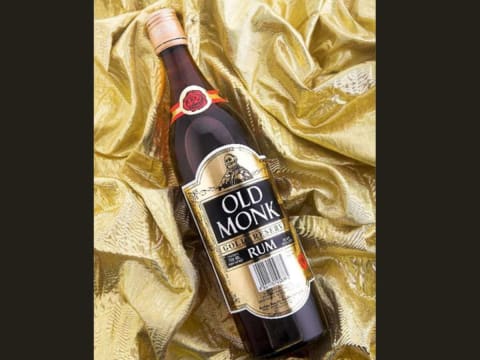
india is the world’s largest rum market by volume. we drink more rum than any other country on earth. and yet the vast majority of that consumption sits in the budget segment: old monk, mcdowell’s no. 1, bacardi at the entry level.
the premium rum segment in india is tiny compared to premium whisky. walk into any decent liquor store in delhi or mumbai and you’ll see shelves full of single malts - indian and imported. the rum shelf? maybe a few bottles of diplomatico if you’re lucky.
this is the gap. this is where the growth is going to happen.
what’s already changing
- indian craft rum brands are emerging. camikara from goa, short story, maka zai - these brands are making rum that can stand next to international premium bottles
- duty free shops are stocking more premium rum options than ever before
- craft cocktail bars in metros are putting rum cocktails front and centre, not just mojitos but proper tiki drinks and rum old fashioneds
- the whisky-to-rum pipeline is real. indian drinkers who started with blended whisky, moved to single malts, are now curious about aged rum as the next frontier
why india’s rum boom will look different
india’s rum explosion won’t look exactly like tequila’s boom in the US, for a few reasons.
we already drink rum. unlike the US where rum needed to be introduced to a new audience, india already has massive rum consumption. the shift isn’t from “not drinking rum” to “drinking rum,” it’s from “drinking cheap rum” to “drinking good rum.” that’s an easier conversion.
the price sweet spot exists. premium rum in the rs 1500-3000 range can genuinely compete with single malts at the same price. a bottle of old monk costs rs 300-400. a bottle of diplomatico reserva exclusiva costs rs 3000-4000. the upgrade path is clear and affordable.
indian palates are ready. we already enjoy complex, layered flavours in our food and drinks. aged rum with its caramel, vanilla, spice, and oak notes maps perfectly onto indian flavour preferences. the indian palate doesn’t need to be trained for rum - it’s already there.
the premiumization shift: what it actually means
for years, “premium” on a rum label meant nothing. any distiller could slap “premium” or “reserve” or “extra special” on a cheap product and charge a bit more. no regulations, no standards, no accountability.
that’s changing, not because of regulation (rum still has few global standards compared to scotch or tequila), but because producers themselves are raising the bar. genuine premiumization looks like this:
- real aging statements: actual years in barrels, not just colour added with caramel
- quality cask selection: ex-bourbon, ex-sherry, ex-cognac casks that add genuine flavour
- transparency: distillers being honest about their processes, whether they add sugar, what their base material is
- smaller batches: focusing on quality over mass production
- storytelling that’s real: actual distillery heritage, actual family history, actual craft
the younger generation of drinkers is driving this. they don’t want fake premium. they want to know the story, the process, the people behind their drink. they want an experience, not just alcohol. rum, with its diversity of origins and styles, is well positioned to deliver that.
celebrity brands: the signal that mainstream is coming
tequila’s celebrity brand explosion was a clear signal that the spirit had gone mainstream. when george clooney sold casamigos for a billion dollars, every celebrity and their agent started looking at spirits.
rum is seeing the same thing now. celebrity-backed rum brands are entering the market. and while not every celebrity rum is great (some are just cash grabs), the attention they bring to the category is undeniably positive.
for india specifically, bollywood and cricket endorsements of rum brands would be the equivalent trigger. when a major bollywood star or cricketer launches a premium rum brand (the way they’ve done with whisky and vodka), that’s when the mainstream conversation really shifts.
what should indian rum drinkers do right now?
explore beyond the basics
if your rum experience stops at old monk and bacardi, you’re missing out. start here:
- aged sipping rums: try diplomatico reserva exclusiva, appleton estate 12 year, or el dorado 12 year
- indian craft rum: seek out camikara, short story, or maka zai
- dark rum for cocktails: upgrade your dark rum game for better cocktails at home
buy premium rum while it’s still affordable
if rum has its tequila moment, prices will climb. premium rum right now is significantly cheaper than equivalent quality whisky. a bottle that costs rs 3000 today might cost rs 5000 in three years if demand spikes. if you enjoy it, stock up while the market is still in its early growth phase.
start a rum club
seriously. get four or five friends together, everyone brings a different rum, and you taste and compare. you’ll be surprised how different rums from different countries and production methods taste. it’s the best way to develop your palate and discover what you actually like.
pay attention to cocktail culture
the craft cocktail scene in indian metros is booming, and rum cocktails are leading the charge. tiki bars, rum-focused menus, and rum-forward classics are showing up in delhi, mumbai, bangalore, and goa. go try them. let a good bartender show you what premium rum can do in a cocktail.
so, is rum the next tequila?
eventually, yes. the patterns are strikingly similar, the premiumization is real, and the cultural shift is happening.
for india this matters more than for any other country on earth. we’re already the world’s largest rum market. the infrastructure, the palate, the consumption habit, it’s all there. what’s missing is the premium upgrade that turns rum from “everyday mixer” into “something worth caring about.”
that upgrade is happening right now. the question isn’t if rum will have its moment, it’s when. and when it does, india will be at the centre of it.
start exploring good rum now, while it’s still undervalued and accessible. your future self, sipping a properly aged rum neat, will thank you.
disclaimer: drink responsibly. this article is for informational and educational purposes only. alcohol is injurious to health. consumption of alcohol is subject to the legal drinking age in your state/country.
💰 prices change every month. don't overpay.
we track prices across 12 states. get the updated price list when rates change in your city.
want the full price list?
we send updated prices for every brand across 12 indian states. one email, once a month. that's it.
frequently asked questions
is rum really the next tequila?
rum is showing very similar market patterns to tequila before it exploded. sales dips followed by spring-loaded growth, increasing premiumization, celebrity brand entries, and growing cocktail culture all mirror tequila's trajectory. the difference is rum has far more flavor diversity and a much larger global footprint. the boom hasn't fully happened yet, but the indicators are all there.
why hasn't rum exploded yet like tequila did?
several factors: rum has a perception problem - it's seen as a beach vacation drink rather than a serious spirit. large companies flooded the market with cheap, overly sweet products that gave rum a bad reputation. and words like 'agricole' and 'funk' aren't as immediately appealing as bourbon or tequila. the product quality is there, but the branding and cultural perception need to catch up.
is india the world's largest rum market?
yes. india consumes more rum than any other country in the world. brands like old monk, mcdowell's no. 1, and bacardi dominate the market. the indian rum market is massive in volume, though the premium segment is still relatively small compared to whisky. this is exactly where the growth opportunity lies.
what does rum premiumization mean for indian drinkers?
premiumization means rum makers are focusing on quality over quantity. instead of slapping 'premium' on cheap products, distillers are actually making better rum with real aging, quality casks, and transparent production methods. for indian drinkers, this means more genuinely good rum options beyond the usual budget brands.
which indian rum brands are going premium?
brands like camikara (from goa), short story (from nao spirits), and maka zai are leading india's premium rum movement. international premium rums like diplomatico, zacapa, and appleton estate are also increasingly available in indian metros and duty free shops.
will rum prices increase in india because of premiumization?
premium rum prices will likely stay in the rs 2000-5000 range for quality bottles, similar to where single malt whisky started its journey in india. budget rum (old monk, mcdowell's) isn't going anywhere - premiumization adds options at the top without necessarily raising prices at the bottom.
what rum cocktails are driving the boom?
rum's cocktail versatility is a major driver. mojitos, daiquiris, mai tais, and rum old fashioneds are showing up on bar menus across india. the craft cocktail movement has embraced rum because it works in everything from tropical tiki drinks to spirit-forward classics. dark rum especially is having a moment.
how is rum similar to tequila's growth pattern?
both spirits saw years of up-and-down sales before a major surge. both had perception problems (tequila was the 'shot and salt' spirit). both saw celebrity brand entries signal mainstream appeal. both have rich cultural histories that younger consumers find appealing. and both took a slight sales dip right before exploding - rum is in that dip phase now.
should i invest in premium rum bottles now before prices go up?
if you enjoy rum, buying quality bottles now is smart. premium rum is still significantly cheaper than equivalent quality whisky or tequila. a bottle of diplomatico reserva exclusiva or appleton estate 12 costs less than a mid-range single malt. if rum does have its tequila moment, prices will climb.
what's the difference between premium rum and regular rum in india?
regular indian rum is typically made from molasses, lightly aged or unaged, and priced under rs 500. premium rum uses better base ingredients, genuine barrel aging (often in ex-bourbon or ex-sherry casks), and more careful production. the flavor difference is dramatic - premium rum sipped neat can rival good whisky in complexity.