tldr: about 90% of wines are meant to be consumed within 1-3 years of release. the idea that all wine gets better with age is one of the biggest misconceptions in the wine world. only specific high-tannin, high-acid reds (think expensive bordeaux, barolo, cabernet sauvignon) actually improve with aging. most wines - and nearly all indian wines - peak within a year or two and then decline. that rs 600 sula you’re “saving for a special occasion”? drink it now. it’s not getting better.
there’s this deeply ingrained idea that wine is like whisky: the older, the better. people buy a bottle of wine and tuck it away in a cupboard thinking it’ll be amazing in 5 years. or they see a “2019” on a wine label in 2026 and assume it must be premium because it’s been “aging.”
this is mostly wrong. and it leads to a lot of people drinking wine that’s past its prime, thinking the weird flat taste is what “aged wine” is supposed to taste like.
the truth is simpler and less romantic: most wine is a perishable product with a shelf life. it’s made to be drunk relatively soon after bottling. the small percentage of wines that benefit from aging are expensive, specific, and require proper storage conditions that most people (especially in india’s climate) don’t have.
if you’re getting into wine in india, this is probably the most useful thing you can learn early: drink your wine. don’t hoard it.
why most wine doesn’t age well
what aging actually does to wine
when wine ages properly, a few chemical changes happen:
- tannins polymerize - they link together into longer chains, making them feel softer and less grippy on your palate
- fruit flavors evolve - fresh fruit (cherry, plum, berry) shifts to dried fruit, leather, tobacco, earth, and mushroom notes
- color changes - red wines fade from bright ruby to garnet to brick-brown; whites deepen from pale yellow to gold to amber
- complexity develops - new flavors emerge from slow chemical reactions between acids, sugars, and phenolic compounds
this sounds great. and it is, when it works. but for these changes to be improvements rather than deterioration, the wine needs to have specific qualities to begin with.
what a wine needs to age well
| quality | why it matters | what it looks like |
|---|---|---|
| high tannins | act as a natural preservative; soften over time | that dry, mouth-puckering sensation in young red wine |
| high acidity | preserves freshness; prevents the wine from going flat | a bright, crisp backbone even in full-bodied reds |
| concentrated fruit | needs enough fruit to survive as tannins and acids evolve | intense, rich fruit flavors, not subtle or delicate |
| good structure | the overall balance of tannins, acid, fruit, and alcohol | feels “tight” or “firm” when young; not loose or flabby |
| quality cork and closure | prevents oxidation over years | long, high-quality natural cork |
| proper storage | consistent temp, humidity, no light, no vibration | wine cellar or temperature-controlled storage |
if a wine is missing any of these qualities, aging will make it worse, not better. a light, fruity wine without much tannin will just lose its fruit and become watery. a wine with low acidity will go flat and dull. a wine stored in a warm kitchen cupboard in mumbai will cook and taste like vinegar.
the numbers: most wine is drink-now wine
here’s the reality that wine marketing doesn’t tell you:
- ~90% of wine worldwide is meant to be consumed within 1 year of release
- ~9% of wine can benefit from 2-5 years of aging
- ~1% of wine is built for 10+ years of aging
that 1% includes expensive bordeaux, barolo, top-shelf napa cabernet, vintage port, and a handful of other premium wines that you’re probably not buying at your local wine shop in india.
the wine you’re most likely drinking - sula, jacob’s creek, big banyan, york - falls squarely in the 90% category. these wines are crafted to be enjoyable right now, at the point of sale. the winemakers designed them that way intentionally.
which wines age well (and which don’t)
wines that can age (5-20+ years)
- cabernet sauvignon - high tannin, high structure. top bottles can age 15-20 years
- bordeaux blends - the classic aging wines. expensive ones can go 30+ years
- barolo / barbaresco - italian nebbiolo wines. legendary agers
- vintage port - fortified, high sugar, high alcohol. can age 50+ years
- high-end shiraz/syrah - northern rhone, top australian shiraz
- riesling (select top-quality) - one of the few whites that ages well
- burgundy (top producers) - both red and white can age beautifully
wines that don’t age (drink within 1-2 years)
- most white wines - sauvignon blanc, pinot grigio, basic chardonnay
- rosé - meant to be drunk as fresh as possible
- most wines under rs 1500 - at this price point, aging potential isn’t the goal
- sparkling wine (non-vintage) - the freshness IS the point
- fruit-forward, low-tannin reds - beaujolais, basic merlot, basic pinot noir
- any wine sealed with a screw cap - typically designed for immediate consumption
indian wines and aging: the honest picture
indian wine is where the aging myth does the most damage. people buy a bottle of sula or big banyan and stick it in a cupboard thinking they’re investing in flavor. they’re not.
the climate problem
india’s climate is genuinely hostile to wine aging. proper storage requires:
- 12-15°C consistent temperature
- 60-70% humidity
- no direct light
- no vibration
the average indian home, even with AC, has temperature fluctuations between 20-35°C depending on when the AC is on, humidity that swings wildly with the seasons, and no dedicated storage. a kitchen cupboard in delhi or mumbai in may is not aging your wine. it’s slowly cooking it.
without a dedicated wine fridge (which costs rs 15,000-40,000 for a basic one), you cannot age wine in india. period. your cupboard is not a cellar.
which indian wines can handle some aging
very few, and “aging” here means 3-5 years max, not decades:
| wine | max aging potential | notes |
|---|---|---|
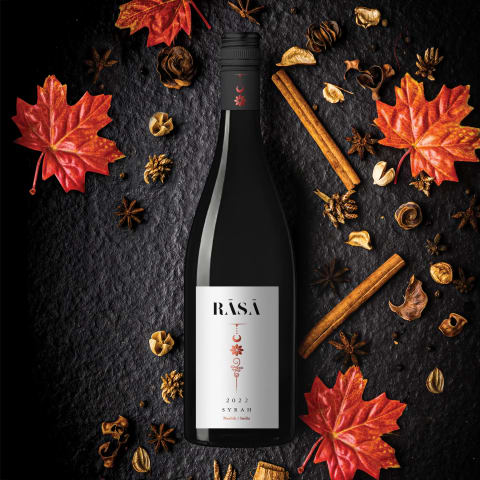
| sula rasa shiraz | 3-4 years | has enough tannin and structure. oak-aged. |
| fratelli sette | 3-5 years | premium blend with good concentration |
| grover zampa la reserve | 3-5 years | cab-shiraz blend with decent structure |
| four seasons barrique reserve | 2-4 years | already oak-aged before release |
| charosa reserve | 3-5 years | smaller producer, premium range |
indian wines to drink immediately
everything else. seriously. if it’s not in the table above or a comparable premium wine from a reputable producer, drink it within a year of purchase. this includes:
- all sula wines except rasa (including sula’s standard range)
- all big banyan wines
- all york wines
- all wine under rs 800
- all indian white wines and rosés
- all indian sparkling wines
these wines are delicious when fresh. they become less delicious with each passing month. don’t wait.
how to tell if your wine has gone bad
if you’ve been storing wine improperly (which in india means most of us), here are the signs it’s past its prime:
visual: the color looks brownish (for reds) or deep amber (for whites). more brownish than you’d expect for the wine type.
nose: it smells like vinegar, wet cardboard, or musty basement. fresh wine should smell like fruit, even if it’s subtle.
taste: flat, no fruit flavor, tastes like watered-down alcohol with an acidic edge. or it tastes “cooked” - kind of like stewed fruit or jam.
the cork: if the cork is pushed out slightly from the bottle, the wine has likely been exposed to heat and expanded. probably compromised.
if any of these apply, the wine isn’t “complex and aged.” it’s gone bad.
the vintage year on the label
the year on a wine bottle (2022, 2023, etc.) tells you when the grapes were harvested, not when you should drink the wine. for most wines available in india:
- 2024-2025 vintage: perfect, drink now
- 2023 vintage: still good, drink soon
- 2022 vintage: probably fine, drink immediately
- 2021 or older: proceed with caution for standard wines. only premium wines should still be good
for indian wines specifically, i’d be cautious about anything more than 2-3 years old sitting on a shop shelf. wine shops in india don’t always have temperature-controlled storage, so that bottle has been sitting in variable temperatures for years.
verdict: stop saving your wine
the single best piece of wine advice for indian drinkers: drink your wine sooner rather than later. the wine industry’s romantic narrative about aging has convinced people that old = good, and it’s causing people to drink degraded wine or save bottles that are getting worse, not better.
if you paid rs 600-1500 for an indian wine, the winemaker made it to taste great right now. respect that by drinking it right now.
if you genuinely want to explore aged wine, invest in a proper wine fridge (rs 15,000+), buy wines specifically built for aging (usually rs 2000+), and understand that you’re entering a niche hobby that requires patience, proper storage, and some financial commitment.
for the rest of us, open the bottle, pour it in a proper wine glass, and enjoy it today. that’s literally what it was made for.
wine aging myths: frequently asked questions
drink responsibly. must be of legal drinking age in your state.
💰 prices change every month. don't overpay.
we track prices across 12 states. get the updated price list when rates change in your city.
want the full price list?
we send updated prices for every brand across 12 indian states. one email, once a month. that's it.
frequently asked questions
does wine get better with age?
most wine does not. about 90% of wines worldwide are meant to be consumed within 1-3 years of release. only specific reds with high tannins, acidity, and structure improve with aging.
which wines improve with age?
cabernet sauvignon, barolo, bordeaux blends, vintage port, and some high-end shiraz can age well for 10-20+ years. they need high tannins, good acidity, and concentrated fruit to age successfully.
do indian wines age well?
very few indian wines are built for aging. sula rasa shiraz, fratelli sette, and grover zampa la reserve can handle 3-5 years. most indian wines are best consumed within 1-2 years of purchase.
how do i know if a wine is meant to be aged?
look for high tannins (that dry mouth-puckering feeling), high acidity, concentrated fruit flavors, and a price point above rs 2000. winemaker notes sometimes mention aging potential. if none of these apply, drink it now.
can white wine be aged?
most white wines should be drunk within 1-2 years. exceptions include high-quality riesling, white burgundy (chardonnay), and some dessert wines like sauternes. in india, drink your white wines fresh.
what happens to wine as it ages?
tannins soften, fruit flavors evolve from fresh to dried/cooked, new flavors develop (leather, tobacco, earth), and the color changes. red wines lighten, white wines darken. the wine becomes more complex but less fruit-forward.
does expensive wine always age better?
not always, but generally yes. winemakers build aging potential into premium wines through grape selection, extraction methods, and oak aging. cheap wines are designed for immediate consumption.
how should wine be stored for aging?
on its side (keeps cork moist), at 12-15 degrees celsius, away from light and vibration, with consistent humidity. most indian homes without a wine fridge cannot provide these conditions.
can i age wine in a regular fridge?
no. regular fridges are too cold (4-5 degrees), too dry, and the vibration from the compressor damages wine over time. a fridge is fine for short-term storage (weeks), not aging (years).
how long can i keep an opened bottle of wine?
3-5 days in the fridge with the cork pushed back in. red wine lasts slightly longer than white. after that, it oxidizes and tastes flat or vinegary. there's no way to age an opened bottle.