tldr: sealed spirits (whisky, vodka, rum, gin) essentially last forever. they won’t go bad, won’t expire, and won’t hurt you even after 10+ years. opened spirits are good for 1-2 years before they start losing flavour. beer is the most perishable: drink within 6-12 months. wine varies but most indian wine should be consumed within 2-3 years. liqueurs (baileys, kahlua) last 1-2 years opened. and no, old whisky in a bottle does NOT get better with age. that’s a barrel thing, not a bottle thing.
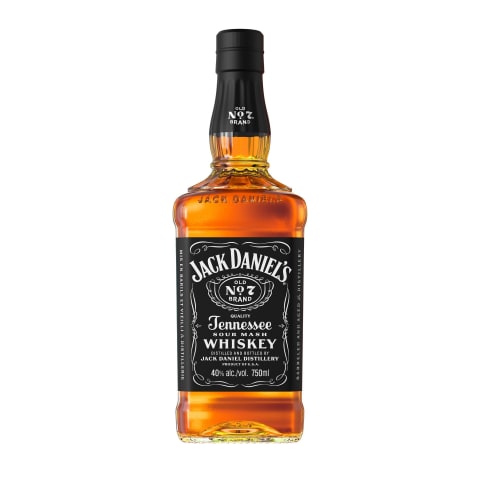
“hey, i found this bottle of blenders pride in my dad’s cupboard from like 5 years ago. is it still good?”
i get some version of this question constantly. and the answer depends entirely on what type of alcohol it is, whether it was opened, and how it was stored. the short version: if it’s a sealed bottle of spirits, you’re fine. if it’s an opened beer from 2 years ago, throw it out.
most people don’t know the difference between expiration and degradation. spirits don’t “expire” the way food does. they don’t develop bacteria or become dangerous. but they can lose flavour, change taste, and become unpleasant to drink. and in india’s climate, with summer temperatures hitting 40-45 degrees in most cities, storage matters more than it does in cooler countries.
this guide covers the shelf life of every common type of alcohol available in india, with honest storage tips that account for the reality of indian homes (no wine cellar, often no AC, and bottles stored on kitchen shelves next to the spice rack).
shelf life at a glance
| type | sealed shelf life | opened shelf life | biggest enemy |
|---|---|---|---|
| whisky | indefinite | 1-2 years | air (oxidation) |
| vodka | indefinite | 3-5 years | nothing really |
| rum | indefinite | 1-2 years | air (oxidation) |
| gin | indefinite | 1-2 years | sunlight, air |
| beer | 6-12 months | drink immediately | heat, sunlight, time |
| wine | 2-10 years (varies) | 3-7 days | heat, vibration, air |
| liqueurs | 1-3 years | 6-12 months | cream content, sugar |
| ready-to-drink cocktails | 6-12 months | drink immediately | freshness of mixers |
spirits: whisky, vodka, rum, gin
the good news: spirits basically last forever
distillation creates a product with 40%+ alcohol content. at that concentration, bacteria and mould simply cannot survive. a sealed bottle of blenders pride, old monk, absolut, or bombay sapphire from 15 years ago is exactly as safe to drink today as the day it was bottled.
this applies to all distilled spirits: scotch, bourbon, indian whisky, vodka, rum, gin, tequila, brandy. if the seal is intact and the bottle was stored in reasonable conditions (not in direct sunlight at 45 degrees for a decade), it’s fine.
i’ve personally opened old bottles that were sitting in relatives’ cabinets for years. a bottle of blenders pride that was probably from 2018. tasted exactly like current blenders pride. nothing had changed. the glass bottle is inert. it doesn’t interact with the liquid. the spirit inside is chemically stable.
opened spirits: the 1-2 year rule
once you open a bottle of whisky, rum, or gin, the clock starts ticking. not because the alcohol goes bad, but because air enters the bottle and slowly oxidizes the spirit. oxidation changes the flavour compounds, making the spirit taste flatter over time.
the practical timeline for opened spirits:
- first 6 months: no noticeable change. drink without worry.
- 6-12 months: very minor changes. most people won’t notice.
- 1-2 years: subtle loss of flavour, especially in whiskies. still perfectly drinkable.
- 2+ years: noticeable flatness. the spirit tastes “tired.” safe but not as enjoyable.
the amount of liquid in the bottle matters enormously. a bottle that’s 75% full has very little air inside, so oxidation is slow. a bottle that’s 10% full has a massive air-to-liquid ratio, and the remaining spirit will oxidize much faster. if you have a small amount left in a bottle, either finish it or transfer it to a smaller container to reduce air exposure.
vodka is the exception
vodka is the most stable spirit because it has the fewest congeners (flavour compounds created during distillation). plain vodka like absolut or smirnoff is essentially pure ethanol and water. there’s very little in it to oxidize or degrade. an opened bottle of plain vodka can last 3-5 years with negligible change.
flavoured vodka is different. the added fruit extracts, sugars, and flavourings can break down over 1-2 years, making the flavour taste artificial or off. if you have flavoured absolut or smirnoff varieties, consume them within a year of opening.
the biggest myth: “old whisky gets better in the bottle”
this is the most common misconception about alcohol, so let me address it directly.
whisky only ages in barrels. not in bottles.
when a label says “aged 12 years,” it means the whisky spent 12 years in an oak barrel before being bottled. during those 12 years, the spirit interacted with the wood, extracting flavours, smoothing out harshness, and developing complexity. the moment it was bottled, the aging stopped.
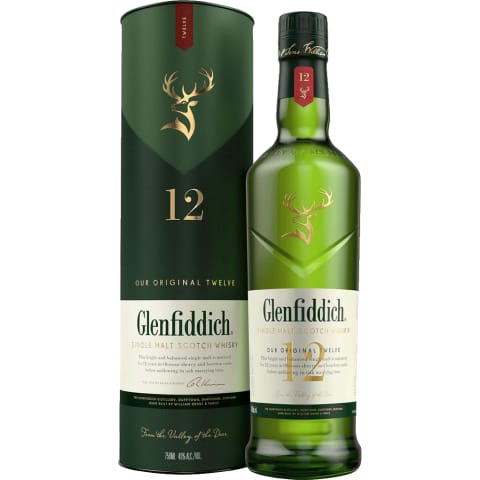
a 12-year-old glenfiddich that you bought in 2016 and kept sealed until 2026 is still a 12-year-old whisky. it didn’t become a 22-year-old whisky in your cupboard. glass is inert. it doesn’t interact with the liquid inside. there’s no wood, no breathing, no maturation happening.
so no, that dusty bottle of teacher’s your uncle has been “aging” in his display cabinet since 2010 is not somehow better now. it’s exactly the same whisky. just dusty.
this applies to all spirits. rum doesn’t age in bottles. brandy doesn’t age in bottles. only wine continues to evolve in bottles, and even that is complex and often misunderstood.
beer: the most perishable alcohol
beer is where shelf life actually matters. unlike spirits, beer has a relatively low alcohol content (4-8%), contains organic compounds from hops and malt, and is vulnerable to heat, sunlight, and oxidation.
how long does beer last?
| condition | shelf life |
|---|---|
| sealed, refrigerated | 6-9 months |
| sealed, room temperature | 3-6 months |
| sealed, exposed to heat/sun | 1-3 months |
| opened | drink immediately (hours) |
most indian beers (kingfisher, bira 91, tuborg, budweiser) print a best-before date of 6-9 months from manufacturing. this is a quality date, not a safety date. beer past its best-before date won’t poison you, but it will taste stale, with a cardboard-like off-flavour.
india-specific beer problems
india’s climate is particularly harsh on beer. summer temperatures of 40-45 degrees accelerate every degradation process. beer that’s been sitting in a non-refrigerated warehouse for months, then transported in an un-cooled truck, then displayed on an ambient shelf at a liquor shop has already lost significant freshness before you even buy it.
always check the manufacturing date. not the expiry date, the manufacturing date. the fresher the better. i’ve seen kingfisher bottles at small liquor shops that were manufactured 8+ months ago. that beer is technically within its shelf life but tastes noticeably worse than a bottle manufactured 2 months ago.
craft beer is even more sensitive. bira 91 and other craft brands have less preservative and more flavour compounds that degrade. buy craft beer from shops that refrigerate their stock, and drink it within 3-4 months of manufacture for the best experience.
the sunlight problem
ever had a beer that tasted “skunky”? that’s lightstrike. UV light from sunlight reacts with hop compounds in beer and creates a chemical that literally smells and tastes like skunk spray. green and clear bottles offer almost no UV protection. brown bottles are better but not perfect.
this is why you should never buy beer that’s been sitting in a shop window or displayed under fluorescent lights for weeks. and why beer cans are actually better for freshness than bottles. no light gets through aluminium.
wine: the complicated one
wine shelf life is genuinely complex because wine is one of the few alcoholic beverages that can improve with age, but most wine isn’t designed to.
most indian wine: drink within 2-3 years
brands like sula, fratelli, grover, and york make wines that are designed to be consumed young. these are not wines meant for cellaring. the tannin structure, acidity, and fruit composition are balanced for immediate enjoyment.
| wine type | drink within |
|---|---|
| indian white wine | 1-2 years of bottling |
| indian rosé | 1-2 years of bottling |
| indian red wine (basic) | 2-3 years of bottling |
| indian red wine (reserve) | 3-5 years of bottling |
| imported everyday wine | 2-5 years of bottling |
| fine wine (bordeaux, burgundy, barolo) | 5-20+ years (proper storage required) |
for the full guide on indian wines, check best wine brands in india.
opened wine: 3-7 days maximum
opened wine deteriorates rapidly. once air hits the wine, oxidation begins immediately. white wine and rosé last 3-5 days in the fridge with the cork back in. red wine lasts 5-7 days at room temperature or refrigerated. after that, it turns to vinegar. literally. acetic acid bacteria convert the alcohol and the wine becomes sharp and sour.
india’s climate is wine’s enemy
proper wine storage requires 12-15 degrees celsius, 70% humidity, no vibration, and no light. the average indian home offers none of these. if you’re storing wine at indian room temperature (25-35 degrees), the wine ages at 2-3 times the normal rate. a wine with a 5-year cellar life in europe might only have 2 years of good drinking in an unairconditioned indian home.
if you buy wine and don’t have temperature-controlled storage, drink it within a few weeks. don’t try to “age” it in your kitchen. you’ll just end up with expensive vinegar.
liqueurs: the forgotten shelf life
liqueurs (baileys, kahlua, amaretto, cointreau, jagermeister) are a mixed bag because they contain sugar, cream, or botanical extracts that degrade over time.
cream liqueurs (baileys, etc.)
baileys and similar cream liqueurs have dairy in them. sealed, they last 2 years from manufacture (check the label). opened, consume within 6 months and keep refrigerated. after that, the cream can separate and develop off-flavours. if it smells sour or the texture looks curdled, it’s done.
sugar-based liqueurs (kahlua, cointreau, amaretto)
these last longer than cream liqueurs. sealed: 3-4 years. opened: 1-2 years. the sugar can sometimes crystallize over time, and the flavour compounds slowly degrade, but they remain safe to drink. kahlua in particular tends to lose its coffee intensity after a year or so of being open.
herbal liqueurs (jagermeister, chartreuse)
the high alcohol and botanical content make these fairly stable. sealed: indefinite. opened: 1-2 years. jagermeister stored in your freezer (as most people keep it) is fine for years.
how to tell if your alcohol has gone bad
a simple checklist.
spirits (whisky, vodka, rum, gin)
- colour change? if clear spirits (vodka, gin) have turned yellow or cloudy, something’s off
- smell test: does it smell different from what you’d expect? flat, vinegar-like, or chemical?
- taste test: take a small sip. does it taste flat, metallic, or stale? that’s oxidation, not danger
- sediment: some aged spirits develop harmless sediment. that’s fine. but cloudy spirits that should be clear are suspect
beer
- flat when opened: completely dead beer with zero carbonation is past its prime
- skunky smell: lightstrike from UV exposure
- sour taste: bacterial contamination (unlikely in pasteurised commercial beer, but possible)
- floaters or cloudiness: some craft beers are naturally hazy. commercial beers that should be clear but aren’t might be off
wine
- vinegar smell: the wine has oxidised beyond recovery
- brown/orange tint: red wine turning brownish or white wine turning deep gold means excessive oxidation
- fizzy when it shouldn’t be: still wine that’s become slightly sparkling may have re-fermented in the bottle
storage tips for indian climate
india’s heat, humidity, and sunlight create real storage challenges. how to handle them:
the basics
- upright storage for spirits. unlike wine, spirits should be stored upright. the high alcohol content can degrade corks over time if stored on their side
- avoid sunlight. UV light degrades flavour compounds and can cause colour changes. keep bottles in closed cupboards, not on display shelves near windows
- coolest room in the house. in indian summers, temperatures inside can hit 35-40 degrees even without direct sunlight. store your alcohol in the coolest room, ideally one that gets AC use
- away from the kitchen. cooking heat and temperature fluctuations near stoves accelerate degradation
if you have a home bar
for a proper home bar setup in india, consider investing in a bar cabinet with doors (not open shelving). even a simple closed cabinet dramatically reduces light and temperature fluctuation exposure. if you’re storing wine, a small wine cooler (rs 8000-15000) is worth the investment.
quick reference
| do | don’t |
|---|---|
| store upright | store spirits on their side |
| keep in closed cupboard | display on sunny shelf |
| store in AC room if possible | store in kitchen near stove |
| check manufacture dates on beer | assume all beer is fresh |
| finish opened wine within a week | try to “age” wine at room temperature |
| consume open spirits within 1-2 years | hoard half-empty bottles for years |
common myths busted
“alcohol in plastic bottles goes bad faster.” true. plastic is porous and can interact with spirits. country liquor in plastic pouches has a shorter shelf life. always buy glass bottles.
“freezing alcohol ruins it.” false. vodka and jagermeister stored in the freezer are fine indefinitely. the alcohol prevents actual freezing (at standard freezer temperatures). some whisky purists argue that freezing mutes flavour, but it doesn’t ruin or expire the spirit.
“expensive alcohol lasts longer.” false. a rs 50,000 bottle of single malt has the same shelf life as a rs 500 bottle of imperial blue. both are distilled spirits with similar alcohol content. price doesn’t affect shelf life.
“adding water to a whisky bottle preserves it.” absolutely false. adding water lowers the alcohol content, potentially to levels where bacterial growth becomes possible. never dilute the bottle. dilute your individual glass.
“if it’s been in the bottle for years, it’s more valuable.” for wine, sometimes. for spirits, never. there’s no secondary market premium for a 10-year-old bottle of blenders pride that sat in your cupboard. it’s worth exactly what a new bottle costs.
the short answer
next time someone asks you “does alcohol expire?”, tell them this:
spirits (whisky, vodka, rum, gin): no. sealed bottles last indefinitely. opened bottles are good for 1-2 years.
beer: yes. drink within 6-12 months. freshness matters more than anything.
wine: it’s complicated. most indian wine should be consumed within 2-3 years. opened wine lasts days, not weeks.
liqueurs: 1-3 years sealed depending on type. cream liqueurs expire the fastest.
for more on how to drink whisky properly, or to build a home bar that stores well, check the linked guides.
drink responsibly. must be of legal drinking age in your state.
💰 prices change every month. don't overpay.
we track prices across 12 states. get the updated price list when rates change in your city.
want the full price list?
we send updated prices for every brand across 12 indian states. one email, once a month. that's it.
frequently asked questions
can you drink alcohol 2 years out of date?
spirits like whisky, vodka, rum, and gin are safe to drink years after purchase, even if opened, as long as the seal wasn't broken and they were stored away from sunlight. beer and wine are different. beer past 2 years will taste stale. most indian wine should be consumed within 2-3 years of bottling.
does alcohol expire after 2 years?
sealed spirits (whisky, vodka, rum, gin) don't expire after 2 years or even 20 years. the high alcohol content prevents bacterial growth. open bottles of spirits are fine for 1-2 years. beer and wine have shorter lifespans. beer is best within 6-12 months, and most wine within 3-5 years.
which alcohol has no expiry date?
distilled spirits like whisky, vodka, rum, and gin essentially have no expiry date when sealed. a sealed bottle of old monk or blenders pride from 10 years ago is perfectly safe to drink. the taste won't change significantly in the bottle. only beer, wine, and cream liqueurs have meaningful expiry dates.
does beer expire if unopened in india?
yes, beer expires even if unopened. most beer in india has a best-before date of 6-9 months from manufacture. it won't make you sick after that, but it'll taste flat, stale, and cardboard-like. always check the manufacturing date on kingfisher, bira, or any beer before buying.
does whisky go bad after opening?
whisky doesn't go bad after opening, but it slowly changes. an opened bottle of whisky is fine for 1-2 years if stored properly. after that, oxidation reduces the flavour and it starts tasting flat. the less whisky in the bottle (more air), the faster this happens.
does old whisky in a bottle get better with age?
no. whisky only ages in barrels, not in bottles. a 12-year-old scotch bottled in 2015 is still a 12-year-old scotch in 2026. the glass bottle doesn't allow the interaction with wood that creates aging. your 'vintage' bottle of blenders pride is just an old bottle of blenders pride.
can old alcohol make you sick?
spirits that have gone off won't make you sick in the way spoiled food does. the high alcohol content prevents harmful bacteria. but they'll taste terrible. old beer can give you an upset stomach. old wine that's turned to vinegar won't harm you but will definitely ruin your evening.
how should i store alcohol in india?
keep bottles upright, away from direct sunlight, in the coolest part of your house. indian summers with 40-45 degree heat accelerate oxidation. don't store bottles near windows, on open shelves that get afternoon sun, or in kitchens near cooking heat. a closed cupboard in an air-conditioned room is ideal.
does vodka expire?
sealed vodka essentially lasts forever. it's the most stable spirit because it's the purest (few congeners or flavour compounds to degrade). opened vodka is fine for 3-5 years. flavoured vodka has a shorter life: 1-2 years opened because the added flavourings can deteriorate.
can i drink 10 year old rum?
if it was sealed and stored away from sunlight, absolutely. rum is a high-proof spirit that doesn't go bad in a sealed bottle. a 10-year-old sealed bottle of old monk or bacardi is perfectly fine. if it was opened 10 years ago and left with very little rum inside, it'll taste flat but won't be harmful.