tldr: rum is made by fermenting sugarcane products (juice, molasses, or jaggery) and then distilling the result. old monk is cheap because it uses molasses, a near-free byproduct of india’s sugar industry. types include white rum (bacardi), dark rum (old monk), gold rum, and spiced rum (captain morgan). color doesn’t equal quality. india’s craft rum scene is booming with brands like camikara, sitara, and eek making premium rums that compete globally.
for most indian drinkers, rum started and ended with old monk. maybe a bacardi if you were feeling fancy. but the spirit covers a lot more ground than what we’ve been pouring at house parties, and understanding what rum actually is changes how you think about it.
rum is, at its simplest, a spirit made from sugarcane. any sugarcane product, fermented and distilled. that’s the whole definition. which sugarcane product you use, how you distill it, and how you age it create wildly different rums at wildly different price points.
how rum is made
all alcohol follows the same basic formula: take something with sugar, add yeast, let fermentation happen, and you get alcohol plus carbon dioxide. rum uses sugarcane’s sugar for this process.
you can use three different sugarcane products to make rum:
sugarcane juice is the most premium option. fresh juice straight from the cane, fermented and distilled. this produces what’s called agricole rum. it’s more expensive because fresh juice is perishable and costly.
molasses is the industry standard. when sugar mills process sugarcane juice into refined sugar, the thick, dark, sticky liquid left behind is molasses. it still has plenty of sugar content for fermentation but costs almost nothing because it’s essentially waste from the sugar industry.
jaggery (gur) falls somewhere in between. it’s processed sugarcane but retains more flavor than refined sugar production would leave behind.
once you’ve fermented your sugarcane product into a low-alcohol liquid (think beer strength, around 5-7% ABV), you distill it. distillation concentrates the alcohol by heating the liquid, capturing the vapors, and condensing them back. the resulting distillate is always clear, regardless of the source material.
so where does the color come from? aging.
where rum gets its color
this is one of the biggest misconceptions about rum: darker color does not mean better quality or longer aging.
when clear rum distillate goes into oak barrels for aging, it slowly picks up color from the wood. the longer it sits, the more color and flavor it absorbs. but many rum producers also add caramel coloring to make their rum look darker, which has nothing to do with quality.
here’s a real example: bacardi gold is aged for about 4 years and has a light golden color. a typical “black” or dark rum might be aged for just 1-2 years but looks much darker because of added caramel coloring. the lighter-colored rum is actually aged longer and arguably better quality.
the lesson: ignore color. read the label for aging statements.
types of rum
| type | what it is | color | example brands | price range (india) |
|---|---|---|---|---|
| white rum | unaged or aged and filtered | clear | bacardi, maka | rs 500-1500 |
| gold rum | aged in oak, natural color | golden | bacardi gold | rs 600-2000 |
| dark rum | aged with caramel coloring | dark brown | old monk, mcdowell’s no.1 | rs 200-800 |
| spiced rum | aged rum with added spices | dark | captain morgan, sitara | rs 800-2500 |
| agricole rum | made from fresh cane juice | varies | camikara, eek | rs 1500-5000+ |
white rum - clean and cocktail-friendly
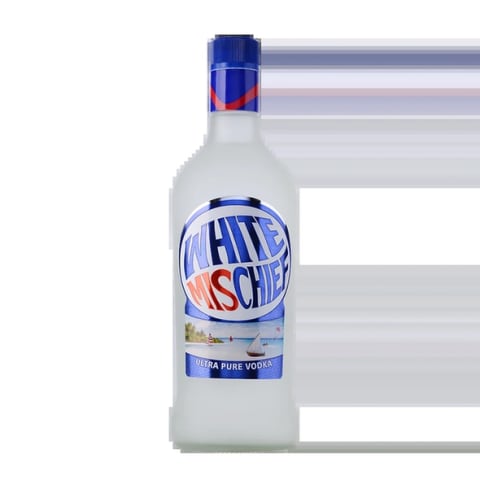
image: livcheers
white rum is either completely unaged or aged briefly and then charcoal-filtered to strip the color back to clear. bacardi is the textbook example. i’ve used bacardi white in countless cocktails at home and it works because it’s clean and doesn’t overpower the mixer.
some white rums like maka from goa are unaged on purpose. maka uses sugarcane from red soil regions, which apparently gives the cane a distinct flavor profile. i haven’t tried maka yet, but based on reviews it’s a genuinely different white rum compared to bacardi.
dark rum - india’s comfort zone
dark rum is what most indians think of when they hear “rum.” old monk, mcdowell’s no.1, and similar brands. the dark color comes from a combination of barrel aging and added caramel coloring.
old monk is aged for 7 years, which is genuinely impressive for the price. i’ve been drinking old monk since college and it remains one of the best value propositions in indian alcohol. rs 300-400 for a bottle of 7-year-old rum is absurd when you think about it.
gold rum - the middle ground
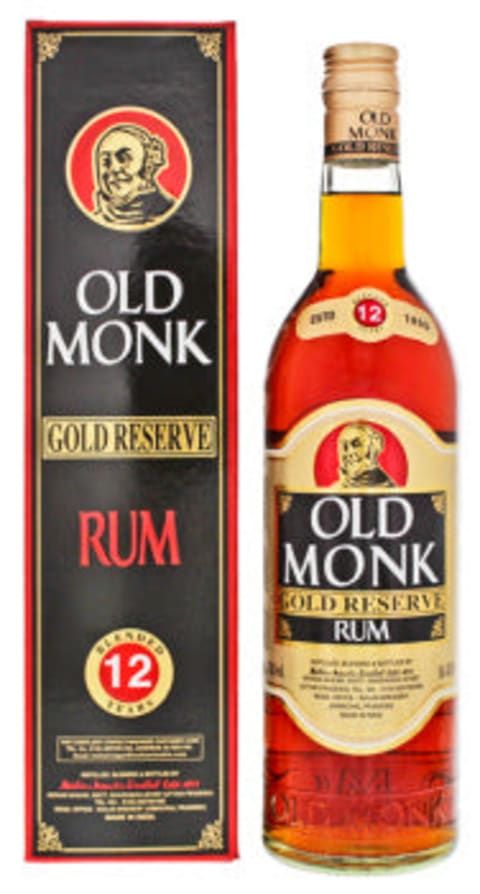
image: cask cartel
gold rum sits between white and dark. it’s aged in oak barrels and the golden color comes naturally from the wood (no added coloring, ideally). gold rums tend to be smoother and more nuanced than their dark counterparts. bacardi gold, aged roughly 4 years, is a decent example available in india.
spiced rum - flavors beyond the barrel
spiced rum takes aged rum and adds botanicals and spices. cinnamon, clove, vanilla, orange peel, star anise. the idea is to create something you can sip slowly and actually taste individual flavors, rather than mixing with cola and calling it a night.
captain morgan was the only spiced rum option in india for the longest time. now indian brands are doing it. sitara from goa blends three different spirits (cane, jaggery, and molasses) with ginger, cinnamon, orange, and vanilla. earth rum uses clove, cinnamon, and star anise. rock paper rum comes from maharashtra.
agricole rum - the premium play
image: kingfisher drinks
agricole rum uses fresh sugarcane juice instead of molasses, and the flavor difference is massive. molasses-based rum can be harsh. agricole rum has grassy, vegetal, almost earthy notes that are completely different from what most indians associate with rum.
two indian brands are doing this: camikara and eek. camikara is from the same group that makes indri whisky, so they know how to age spirits. they use ex-bourbon barrels (the same barrels that scotch gets aged in) and have 3-year and 12-year variants. based on reviews, the quality is outstanding but the price reflects it.
eek is aged in large oak vats rather than smaller barrels, so it has less wood contact and a lighter golden color. both are made in goa.
why old monk is so cheap
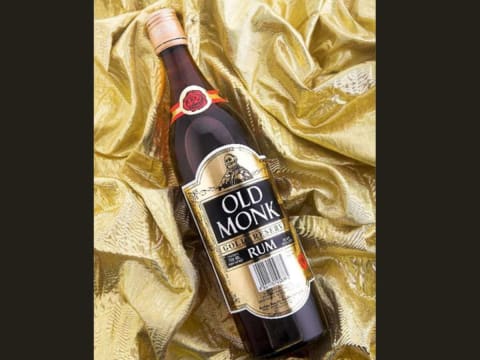
old monk uses molasses. india is one of the world’s largest sugar producers. molasses is the waste product of sugar production. when your raw material is essentially free industrial waste, your production costs drop dramatically.
add to that: old monk is made in solan, himachal pradesh, by mohan meakin, one of india’s oldest distilleries. no import duties, no foreign licensing fees, purely domestic operation. the brand hasn’t changed its recipe or packaging significantly in decades, keeping marketing costs minimal.
the result is a 7-year-old aged rum selling for rs 300-400. try finding that value anywhere in the world. you can’t.
old monk is proof that cheap doesn’t mean bad. it’s proof that a well-made molasses rum, aged properly, can be genuinely enjoyable. i’ve had it with cola, with water, neat with ice. it holds up every time.
why pirates drank rum
when pirate ships left for long voyages, they carried barrels of fresh water. over weeks at sea, that water would go stale. algae would grow. it became undrinkable. someone figured out that adding rum to the water preserved it and made it drinkable again. they’d squeeze in some lemon too, which incidentally prevented scurvy. that lemon-rum-water mix might have been the world’s first cocktail.
rum was also dirt cheap in the caribbean because that’s where sugarcane plantations were. the same sugarcane industry that used slave labor to produce sugar also produced the molasses that became rum. ships carried unlimited rum supplies to keep crews motivated. think of it as the original employee benefit.
the caribbean remains the spiritual home of rum. jamaica, barbados, trinidad. these islands produce some of the world’s finest rums. but india, with its massive sugarcane industry, has always had the raw materials to make great rum. we’re only now starting to use them properly.
the new wave of indian craft rum
for decades, indian rum meant old monk or mcDowell’s no.1. cheap, dark, mixed with cola. nothing wrong with that, but the category stayed stagnant while indian gin and indian whisky exploded with craft options.
that’s changing. here’s what’s happening in indian rum right now:
camikara is doing premium agricole-style rum with proper barrel aging. 3-year, 7-year, and 12-year variants in ex-bourbon barrels. this is rum made the way scotch whisky is made, with patience and craft.
sitara is making spiced rum with a triple-spirit blend. cane juice spirit, jaggery spirit, and molasses spirit all blended together, then infused with spices. based on reviews, the complexity is unlike anything else in indian rum.
eek from goa is a pure cane juice rum aged in large oak vats. different approach from camikara’s barrel aging, resulting in lighter color and different wood influence.
maka is an unaged white rum from goa using sugarcane from specific red-soil regions. the terroir approach to rum is new for india.
cigarra aldia has added chikmagalur arabica coffee beans to their rum. a sipping rum with coffee flavors. this kind of experimentation would have been unthinkable in indian rum five years ago.
the challenge for these brands is price perception. when old monk costs rs 300, convincing someone to spend rs 2000-3000 on rum requires changing how people think about the entire category. at those prices, you’re competing with decent scotch and good indian single malts. it’s a tough sell, but the quality is real.
how to actually drink rum
most indians drink dark rum with cola or water. nothing wrong with that. but here are more ways to enjoy it:
neat or on the rocks: if you’ve never sipped old monk neat, try it. the 7-year aging gives it enough smoothness to drink without a mixer. premium rums from camikara or similar brands are specifically designed for neat sipping.
rum and lime soda: squeeze half a lime into your glass, add rum, top with soda. cleaner than cola and lets you taste the rum.
daiquiri: white rum, lime juice, simple syrup, shaken with ice. the classic rum cocktail. works perfectly with bacardi white.
cocktails at home: rum is one of the most versatile spirits for home cocktails. mojito, pina colada, rum punch. all easy to make with basic ingredients.
rum vs whisky in india
| factor | rum | whisky |
|---|---|---|
| base ingredient | sugarcane (molasses/juice/jaggery) | grain (barley/wheat/corn) |
| typical ABV | 40-43% | 40-43% |
| entry price | rs 200-300 | rs 300-500 |
| aging | oak barrels, faster in tropical heat | oak barrels, slower aging |
| market perception | ”budget drink" | "premium drink” |
| flavor profile | sweeter, smoother at low price | complex, grain-forward |
| craft scene | growing (2024-2026) | established (2018+) |
the market perception gap is the biggest issue. in india, rum is seen as the cheap option. whisky gets the respect. but a well-made aged rum at rs 2000 can be just as complex as a whisky at the same price. the craft rum movement is trying to change this perception, but it’ll take time.
FAQ
drink responsibly. must be of legal drinking age in your state.
💰 prices change every month. don't overpay.
we track prices across 12 states. get the updated price list when rates change in your city.
want the full price list?
we send updated prices for every brand across 12 indian states. one email, once a month. that's it.
frequently asked questions
what is rum made from?
rum is made from sugarcane products. it can be made from sugarcane juice directly (agricole rum), from molasses (a byproduct of the sugar industry), or from jaggery. most indian rums including old monk use molasses because it's the cheapest raw material available.
why is old monk so cheap in india?
old monk is cheap because it uses molasses, which is a byproduct of india's massive sugar industry. molasses costs almost nothing compared to raw sugarcane juice. combine that with simple aging, domestic production in solan (himachal pradesh), and no import duties, and you get a rum that sells for rs 300-400 for a 750ml bottle.
what is the difference between dark rum and white rum?
the main difference is aging and filtration. white rum is either unaged or aged briefly and then filtered to remove color. dark rum is aged longer in oak barrels and often has caramel coloring added. the color doesn't always indicate quality. a gold rum aged 4 years can be lighter than a dark rum aged 1 year with added coloring.
what is agricole rum?
agricole rum is made from fresh sugarcane juice instead of molasses. it tends to have grassier, more vegetal flavors compared to molasses-based rum. in india, camikara and eek are two examples of agricole-style rums made from pure cane juice, and they're priced much higher than molasses-based options.
what is spiced rum?
spiced rum is dark or gold rum with added spices and botanicals like cinnamon, clove, vanilla, orange peel, or star anise. captain morgan is the most famous international example. in india, brands like sitara, earth rum, and rock paper rum are making quality spiced rums.
is rum better than whisky?
neither is objectively better. rum tends to be sweeter and smoother at lower price points, making it more beginner-friendly. whisky has more complexity from grain and aging. at the same price point, the choice comes down to personal preference. most indian drinkers associate rum with budget drinking, but premium aged rums can rival good whiskies.
what is the best rum in india under rs 1000?
old monk remains the best value rum under rs 1000 in india. it's a 7-year aged dark rum that costs around rs 300-500 depending on your state. bacardi white is another solid option if you prefer lighter rum for cocktails. for something different, check out the full guide on best rum under 1000 in india.
how is rum different from whisky in production?
rum is made from sugarcane products (juice, molasses, jaggery) while whisky is made from grains (barley, wheat, corn). both are distilled and aged in oak barrels. rum generally ages faster in tropical climates. the base ingredient is the fundamental difference: sugar vs grain.
why did pirates drink rum?
pirates drank rum for practical reasons. they needed fresh water for long sea voyages, but water would go stale and grow algae over time. adding rum to water preserved it. rum was also cheap and abundant in the caribbean where pirates operated, and ship captains used unlimited rum supply to keep their crew motivated.
what indian craft rums should i try in 2026?
the indian craft rum scene is growing fast. camikara makes agricole-style rum aged in ex-bourbon barrels (same group as indri whisky). sitara blends cane, jaggery, and molasses spirits with spices. eek is another pure cane juice rum from goa. maka is an unaged white rum. these are all rs 1000 and above, but worth trying if you want to see how far indian rum has come beyond old monk.