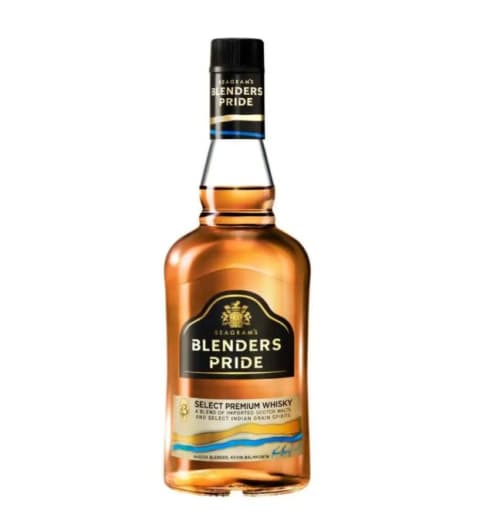
tldr: “single” in single malt means one distillery, not one cask. single malt = 100% malted barley, one distillery. blended scotch = malt + grain whisky from multiple distilleries (johnnie walker, chivas). blended malt = malt whisky only, multiple distilleries (monkey shoulder). single grain = column-still whisky, one distillery, rarely sold alone. peated = smoky from peat-dried barley. cask strength = no water added, 50-65% abv. non-chill filtered = more flavour, might look cloudy when cold.
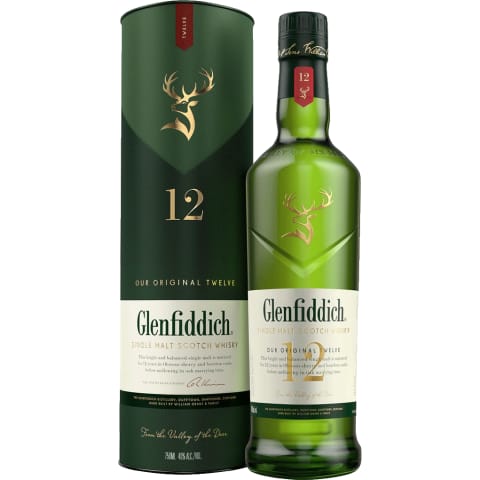
scotch labels are covered in terms most people can’t decode: single malt, blended, blended malt, peated, cask strength, sherry cask finish. this guide explains every type of scotch whisky in plain language.
no jargon worship, no pretending this stuff is more complicated than it needs to be. just clear explanations of what’s actually in the bottle.
single malt scotch
this is the one everyone fixates on, and the one most people misunderstand.
the word “single” refers to the distillery, not to any particular cask or batch. a bottle labelled single malt may contain whisky from dozens of different casks, all blended together at the same distillery before bottling. the “single” means it all came from one production site.
the “malt” part refers to malted barley. this is barley that has been soaked in water, allowed to germinate (sprout), and then dried in a kiln. this malting process converts the grain’s starches into fermentable sugars, which yeast then turns into alcohol during fermentation.
after distillation in pot stills, the spirit goes into oak casks where it picks up colour, flavour compounds, and structural complexity over years or decades. what you taste in the glass reflects:
- the barley character
- the specific shape of the pot stills at that distillery (every distillery’s stills are different)
- the type and age of the oak casks used for maturation
single malts range from light and floral to dense and smoky depending on these variables. when a label says “single malt scotch whisky,” it tells you the category of production. it does not, on its own, tell you the flavour profile, the region, or the quality.
examples available in india: glenfiddich 12, glenlivet 12, macallan 12, highland park 12
blended scotch
most of the scotch whisky that has ever been poured in a bar anywhere in the world - the well bottle, the rail pour, the name behind every back bar - is a blend.
blended scotch combines two types of whisky:
- malt whisky - delivers the aromatic character. the fruit, the spice, the floral notes, the smoke
- grain whisky - lighter and more neutral in flavour. provides volume and consistency
a master blender at a large whisky house may work with stocks from dozens of different distilleries to build a house style that remains consistent year after year, regardless of natural variation in any individual barrel or site. this consistency is the central purpose of blending.
when a bottle of blended scotch carries a 12-year age statement, scottish law requires that every whisky in that blend has spent a minimum of 12 years in oak. the blend may contain whiskies far older than that stated minimum, but the age statement reflects the youngest component.
blended scotch represents the vast majority of all scotch sold globally. flavour profiles tend toward accessible sweetness, gentle smoke, and soft fruit because the grain whisky softens and rounds the edges of the malt component.
examples available in india: johnnie walker (red, black, gold, blue), chivas regal, teachers, dewars, cutty sark, 100 pipers, vat 69, black dog
blended malt scotch
this is the category most people walk past without understanding what separates it from blended scotch on one side and single malt on the other.
the key difference: every component in the bottle is malt whisky. all of it was produced in scotland, but it comes from multiple distilleries rather than one. there is no grain whisky involved.
the blender’s job is to combine malt stocks in proportions that achieve a consistent target flavour, or in some cases, to create a profile that no single distillery could produce on its own. pairing the smoke of an islay malt with the orchard fruit of a speyside malt, for example.
because there’s no grain whisky to dilute the character, blended malts tend to be richer and more complex than standard blended scotch at the same price point. the absence of grain whisky is the key practical detail. the whisky inside came entirely from pot stills and entirely from malted barley, just not from a single location.
examples: monkey shoulder (three speyside distilleries blended), compass box (known for transparent sourcing)
for indian drinkers: monkey shoulder is probably the most accessible blended malt in india and is a genuine upgrade over blended scotch at a similar price point. it works great in cocktails and is perfectly fine neat.
single grain scotch
despite the name, “single” again refers to the distillery, not to one specific grain type. single grain whisky is produced primarily in column stills (also called continuous stills or coffey stills), rather than the pot stills used for malt whisky.
column distillation is a continuous industrial process that produces a lighter, higher-proof spirit with less of the heavy character that pot stills create. the result is typically a whisky that is softer, sweeter, and less aromatic than single malt.
single grain scotch is rarely seen as a standalone product. cameron bridge, north british, and girvan are the largest producers in scotland. most single grain production goes into blended scotch, where it serves as the structural backbone and volume component.
when single grain does appear on a retail shelf, it’s often aged in refill casks for extended periods to develop a light vanilla and toffee sweetness.
why this matters for indian drinkers: understanding single grain clarifies what a blended scotch actually contains. when you drink johnnie walker black label, you’re drinking a mix of malt whisky (for flavour) and grain whisky (for volume and smoothness). knowing this helps you understand why single malts taste different - they have no grain whisky smoothing out the edges.
peated scotch
the first time you pour a peated scotch, the smoke reaches you before you take a sip.
when barley is malted, it must be dried in a kiln to stop germination. if peat (decomposed plant matter dug from bogs) is burned as the fuel source during kilning, the smoke carries phenolic compounds onto the surface of the drying grain. those phenols survive fermentation and distillation, entering the final spirit and expressing themselves in the glass as smoke, medicinal notes, ash, or maritime saltiness.
the level of peatiness is measured in parts per million (ppm) of phenol content in the malted barley before distillation. some phenols are lost during fermentation and distillation, so the ppm in the finished whisky is lower than in the raw malt.
for most mainstream peated expressions, the final spirit sits roughly between 1 and 25 ppm. highland park, talisker, and springbank are examples where peat is present but balanced with other flavour components.
region matters. islay distilleries are historically associated with peat, but peated whisky is produced across scotland.
for indian drinkers: if you’re new to scotch, peated whisky can be a shock. don’t start here. try a speyside or highland single malt first. if you’re curious about smoke, talisker 10 is a reasonable introduction. smoky but not overwhelming.
heavily peated scotch
if peated scotch is smoke in the background, heavily peated scotch is smoke as the entire foreground.
the flavour impact scales with phenol levels. at the higher end, smoke dominates everything, accompanied by iodine, tar, antiseptic, brine, and charred wood depending on the distillery.
islay is the region most closely associated with heavy peat. laphroaig, ardbeg, and bruichladdich’s octomore expression are the most widely distributed examples. octomore is consistently the most heavily peated commercial single malt in production, with some releases exceeding 200 ppm at the malt stage.
heavy peat is not universally appreciated, and distilleries in this category know it. their marketing addresses the intensity directly rather than softening it.
an important distinction: the smoke in heavily peated whisky comes from the kilning process, not from the wood used in aging. cask char in bourbon production is a different mechanism producing different flavours.
for indian drinkers: this is a love-it-or-hate-it category. if you enjoy laphroaig, you’re in the club. if the smell makes you recoil, that’s completely normal. don’t force it.
cask strength scotch
most scotch is diluted with water at the distillery to bring it down to a standard bottling strength, typically 40% or 43% abv. cask strength expressions skip that step. the resulting abv varies but typically falls between 50% and 65%.
the practical consequences are significant:
- more intense flavour: the whisky retains all volatile aromatic compounds that would be diluted away at standard strength
- oilier, more viscous texture: the mouthfeel is noticeably different
- you control the dilution: adding a few drops of water at home opens up aromatic compounds and transforms the experience. this is a feature of the format, not a workaround
- more servings per bottle: a 750ml bottle of cask strength effectively pours more servings than the same whisky at 43%, because you can add your own water
cask strength doesn’t mean better whisky in any absolute sense. it means unaltered whisky. the value is real though: you get more concentrated liquid and more control over how you drink it.
for indian drinkers: cask strength bottles at duty free are often the best value play in scotch. you’re effectively getting 30-40% more whisky per bottle compared to standard strength versions.
single cask scotch
a single barrel of scotch yields somewhere between 200 and 350 bottles. when those are gone, that whisky is gone with them. no other casks are blended in.
because whisky develops differently in each cask depending on the wood’s previous contents, its age, its position in the warehouse, and seasonal temperature variations, single cask releases show significant variation from one barrel to the next. even within the same distillery, a single cask whisky aged in a refill bourbon barrel will taste different from one aged in a first-fill sherry butt.
the total number of bottles is limited by the barrel size and the volume lost to evaporation during aging (called the “angel’s share”). single cask expressions are almost always bottled at cask strength and are usually non-chill filtered because the economics of such a limited run don’t favour adding dilution and filtration steps.
the cask number, distillation date, and bottling date are typically printed on the label.
for indian drinkers: single cask bottles are rare finds. if you see one at duty free from a distillery you like, it’s usually worth grabbing. every bottle is genuinely unique.
non-chill filtered scotch
if you add ice to a non-chill filtered whisky and notice the liquid going faintly cloudy, nothing has gone wrong.
when whisky drops below a certain temperature and alcohol percentage, fatty acids, proteins, and esters naturally present in the spirit bind together and become visible as a haze. this is aesthetically undesirable to some consumers, so chill filtration removes the compounds responsible for it.
the debate centres on what those same fatty acids and esters contribute to flavour and texture before they’re removed. many distillers and whisky enthusiasts argue that chill filtration strips mouthfeel, reduces aromatic complexity, and produces a thinner, less texturally interesting dram.
non-chill filtered whisky retains those compounds. it may go slightly hazy when ice is added or when poured cold. that haze is normal for the unfiltered spirit, not a defect.
for indian drinkers: when you see “non-chill filtered” on a label, it’s a good sign. it tells you what was not done to the whisky between the cask and the bottle. most of the overpriced scotch brands use chill filtration. most of the worth-it brands don’t.
cask finishes: sherry, bourbon, and port
the type of cask used for aging is one of the biggest influences on a scotch’s flavour. here’s what each major cask type contributes.
bourbon cask
american law requires that bourbon be aged in new charred oak barrels, meaning bourbon distilleries can’t reuse their barrels. once emptied, those casks are exported in massive volumes to scotland.
a used bourbon cask has already given its most aggressive flavours to the bourbon inside. what remains for the scotch going in is vanilla, caramel, coconut, and soft orchard fruit - the characteristics of american white oak without heavy tannin extraction.
whisky aged entirely in ex-bourbon casks will tend to be pale gold to amber in colour with vanilla-forward sweetness. for most entry-level scotch, ex-bourbon casks are the starting point.
first fill vs refill: a “first fill ex-bourbon” cask has held scotch only once before, giving stronger wood influence. second and third fill casks contribute less flavour.
sherry cask
the deep amber colour, dried fruit, and dark chocolate that people associate with premium scotch originates not in scotland but in the sherry bodegas of southern spain.
the distinction between full sherry maturation and a sherry cask finish is meaningful:
- fully sherry matured: the whisky spent its entire aging period in sherry casks
- sherry cask finish: the whisky spent most of its life in another cask (usually ex-bourbon), then was transferred to sherry casks for a finishing period (typically 6 months to 3 years)
different sherry types produce different results:
- oloroso: dried fruit, dark chocolate, walnut, leather
- pedro ximenez (px): raisins, molasses, dark sugar, much sweeter
for indian drinkers: if you enjoy sweeter, richer whiskies, look for sherry-finished or sherry-matured expressions. macallan is famous for sherry maturation, though you pay a hefty brand premium.
port cask
port pipes are large (around 550 litres versus 200 litres for bourbon barrels), so the wood influence is more gradual. the wine that coated the interior is sweet, tannic, and fruit-forward, and it transfers those qualities to the whisky.
port cask finishing tends toward red berries, dried cherry, plum, and residual sweetness. the effect is softer and more fruit-forward than sherry cask finishing. port-finished scotch often has a visibly pinkish or reddish hue.
quick reference: scotch whisky types
| type | what it means | flavour tendency | examples |
|---|---|---|---|
| single malt | 100% malted barley, one distillery | varies by distillery and region | glenfiddich, macallan, laphroaig |
| blended scotch | malt + grain whisky, multiple distilleries | accessible, smooth, consistent | johnnie walker, chivas, teachers |
| blended malt | malt whisky only, multiple distilleries | richer than blended scotch | monkey shoulder, compass box |
| single grain | column-still whisky, one distillery | light, sweet, neutral | cameron bridge (rarely sold alone) |
| peated | peat-smoked barley | smoky, medicinal, maritime | talisker, highland park |
| heavily peated | high-ppm peat smoke | intense smoke, iodine, tar | laphroaig, ardbeg, octomore |
| cask strength | no water added before bottling | intense, oily, 50-65% abv | varies by distillery |
| non-chill filtered | no filtration to remove haze | richer mouthfeel, may go cloudy with ice | craigellachie, deanston, glen scotia |
what to look for on a scotch label in india
when you’re standing in front of a shelf at a duty-free shop or a premium liquor store, here’s what to look for:
- abv percentage: 46% or higher is generally a good sign. 40% is the legal minimum and often means the whisky was diluted as much as possible
- “non-chill filtered”: means more flavour retained
- “natural colour” or “no colour added”: means no caramel coloring (e150a)
- age statement: tells you the youngest whisky in the bottle. no age statement (nas) isn’t necessarily bad but it means less transparency
- cask type: tells you what flavour direction to expect (bourbon = vanilla/sweet, sherry = fruit/chocolate, port = berry/plum)
the more of these details a label provides, the more confident you can be that the distillery is proud of what’s inside rather than hiding behind a famous name.
drink responsibly. scotch whisky is meant to be appreciated slowly. if you’re new to the category, start with a blended scotch or an accessible single malt and work your way up. there’s no rush and no right answer - only what you enjoy. if you or someone you know needs support with alcohol, contact NIMHANS (080-46110007) or iCall (9152987821).
💰 prices change every month. don't overpay.
we track prices across 12 states. get the updated price list when rates change in your city.
want the full price list?
we send updated prices for every brand across 12 indian states. one email, once a month. that's it.
frequently asked questions
what does single malt mean?
single refers to the distillery, not the cask or batch. a single malt scotch is made from 100% malted barley at a single distillery in scotland. it may contain whisky from dozens of different casks, all blended together at that one distillery before bottling.
what is the difference between single malt and blended scotch?
single malt is made from malted barley at one distillery. blended scotch combines malt whisky and grain whisky from multiple distilleries. blends like johnnie walker and chivas regal make up the vast majority of scotch sold worldwide, including in india.
what is blended malt scotch?
blended malt is 100% malt whisky from multiple distilleries blended together. no grain whisky is involved. monkey shoulder is the most common example. blended malts tend to be richer than blended scotch because there's no grain whisky to dilute the character.
what is single grain scotch?
single grain means whisky made at a single distillery from grains other than (or in addition to) malted barley, using column stills. it's lighter and sweeter than single malt. most single grain whisky goes into blended scotch as the volume component. it rarely appears as a standalone bottle.
what does peated scotch mean?
peated scotch uses malted barley that was dried over burning peat during the kilning process. the peat smoke carries phenolic compounds onto the barley, which survive into the final whisky. this creates smoky, sometimes medicinal flavours. islay distilleries like laphroaig and ardbeg are the most famous examples.
what is cask strength scotch?
cask strength means the whisky was bottled directly from the cask without adding water to reduce the alcohol level. typical cask strength whiskies are 50-65% abv versus the standard 40-43%. they're more intense in flavour and effectively give you more servings per bottle since you can add your own water.
what is a sherry cask finish in scotch?
a sherry cask finish means the whisky spent a finishing period (6 months to 3 years) in casks that previously held sherry wine. oloroso sherry casks add dried fruit, dark chocolate, and leather. pedro ximenez casks add raisins, molasses, and dark sweetness. a 'sherry cask finish' is different from 'fully sherry matured.'
what does non-chill filtered mean on a scotch label?
non-chill filtered means the whisky wasn't cooled and filtered to remove fatty acids and proteins before bottling. these compounds add flavour and texture but can cause the whisky to look cloudy when cold. many enthusiasts prefer non-chill filtered whisky for its richer mouthfeel.
what scotch type is best for beginners in india?
blended scotch (johnnie walker black, chivas 12) is the most accessible starting point. for single malts, look for a speyside like glenfiddich 12 or glenlivet 12. avoid peated scotch (laphroaig, ardbeg) until you're comfortable with the category - the smoke can be overwhelming for new drinkers.
is single malt better than blended scotch?
not necessarily. single malt has more individual character because it comes from one distillery. blended scotch prioritizes consistency and accessibility. some blends (johnnie walker blue, compass box) are excellent. 'single malt is better' is marketing, not fact. the best scotch is the one you enjoy drinking.